


October
02
/ 2026
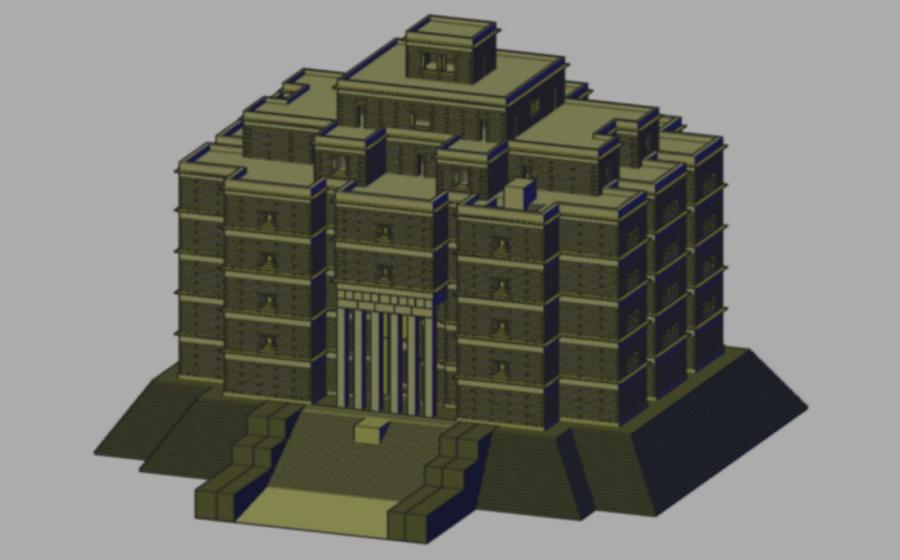
The Yeha palace, built around 2,800 years ago in northern Ethiopia, had walls that could, in theory, have carried twice as many floors as an earlier reconstruction proposed. That is the striking result of a new engineering study of Grat Be’al Gibri, also covered by Archaeology News. It does not mean archaeologists have discovered a 16-storey building: only parts of the ground floor remain. What the calculations reveal is how much the lost palace’s builders may have understood about making heavy walls stand tall. A Monument with Missing Upper Floors Dating to around 800 BC, Grat Be’al Gibri was a palatial administrative complex roughly 60 meters (197 feet) across in each direction. Its six-meter-high foundation podium carried ground-floor walls about
















