
The drill bit snapped four or five metres down. It had struck something hard inside a boat-shaped hill in eastern Türkiye. Nobody yet knows what it was.
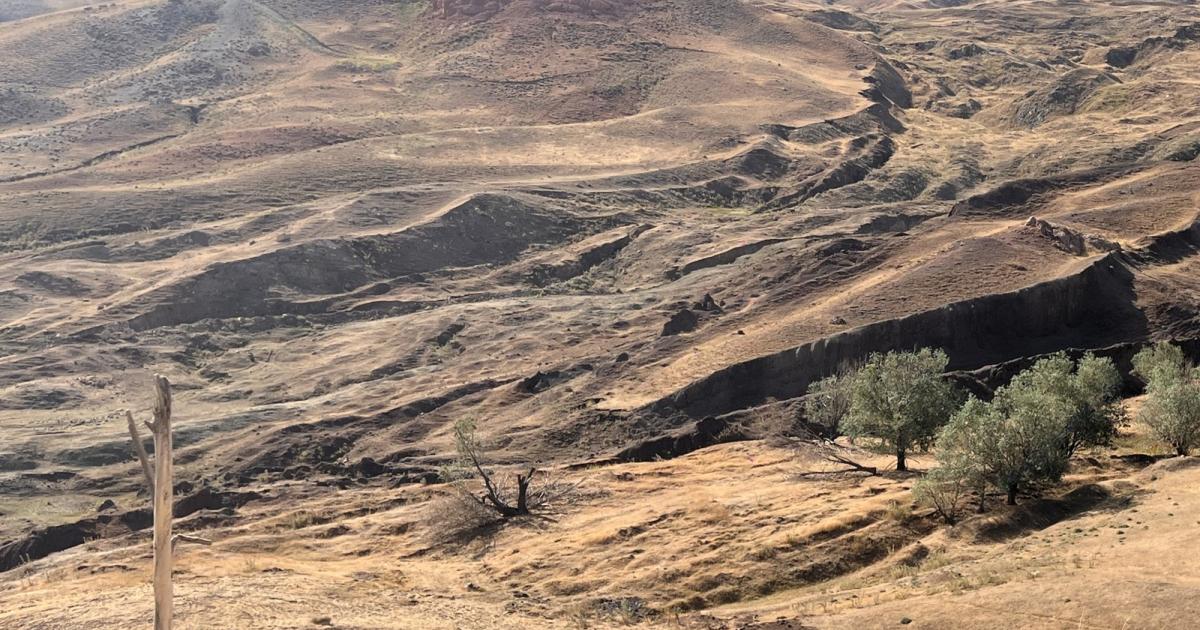
The hill sits at roughly 1,980 metres, about 29 kilometres south of Mount Ararat, in Üzengili village above Doğubayazıt. Since 1959, people have hoped it holds Noah's Ark. In September 2026 a team led by a Turkish university cored into it.
Andrew Mark Jones of Noah's Ark Scans said it could be petrified or mineralised wood. It could also be a hard block of rock. The first lab results are expected this winter. Until then, it is unverified.
The ridge itself has been argued over for decades. It was picked out of a Turkish Air Force aerial photograph taken during a NATO mapping mission in October 1959 by Captain İlhan Durupınar, whose name it carries. Snopes notes it was reportedly exposed by heavy rains and earthquakes in 1948. Life magazine published photographs in 1960, and an expedition that September found nothing man-made. From 1977 the American amateur explorer Ron Wyatt promoted it as Noah's Ark. That much of the record is established.
The 2026 drilling season and what the team claims
The current project is led by Prof. Dr. Cenker Atila of the Department of Archaeology at Sivas Cumhuriyet University. Jones and Dr Evrensel Barış Berkant are deputy directors. It was officially approved on 21 May 2026 and also authorised by the national parks directorate, because the site lies inside a national park. Turkish permits require work under a Turkish university and professor, as Jones said in an interview quoted by Türkiye Today. Fieldwork was scheduled from 29 June to 11 September 2026, with about 20 scientists and students from five countries. Core drilling began on 21 September, according to Türkiye Today.