
November
08
/ 2026
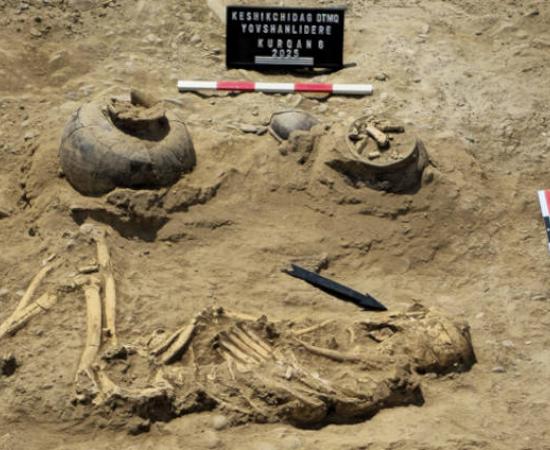
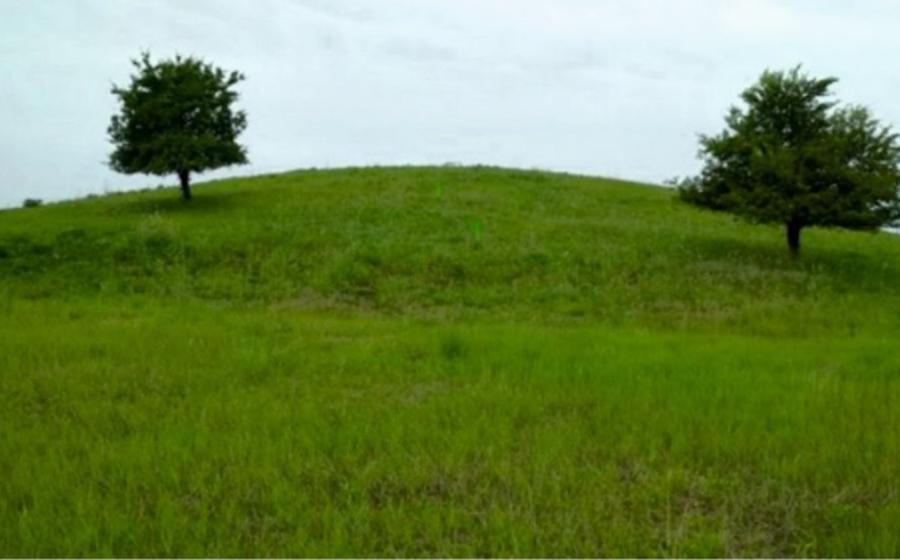
About 5,300 years ago, a man in his forties was laid in a grave beneath a burial mound in what is now the Stavropol region of southwestern Russia. Long after his skeleton was lifted from the ground, researchers sorting the bones of his hands in the laboratory noticed something that was not bone at all. It was a brownish, roughly round object with several small protrusions, about 0.8 inches (2.1 centimeters) across, or close to the size of a grape, Live Science reports. A small crack on its surface showed a crystal-like structure inside. A new study now identifies it as a urinary stone, and the chemistry of that stone says a good deal about how its owner lived. The