
June
17
/ 2026
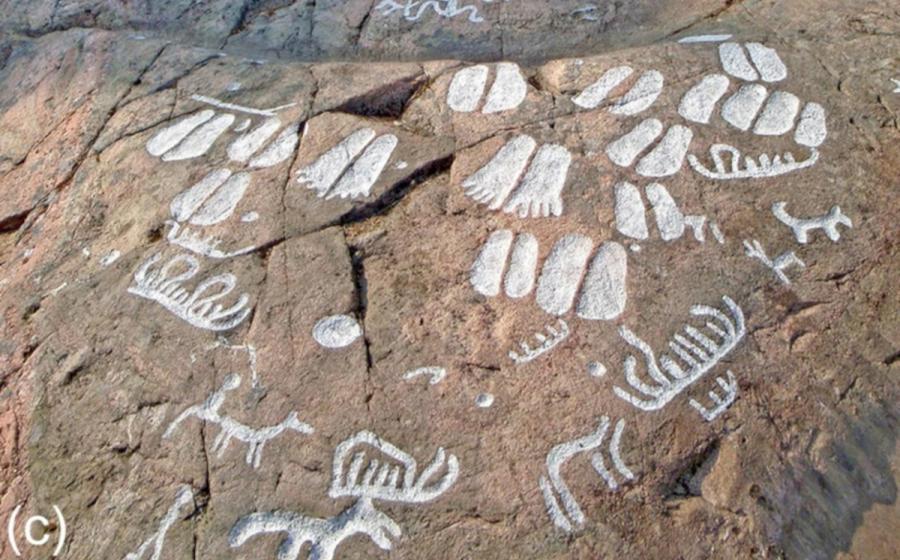
Thousands of ancient footprints carved into the rocky coasts of southern Scandinavia have intrigued archaeologists for decades. Long considered mere symbolic art or ritualistic representations, these enigmatic engravings - known as podomorphs - are now being viewed through a very different lens. A new study suggests that rather than serving as simple artwork, these Bronze Age stone footprints functioned as physical tools designed to forge and maintain social relationships, sealing friendships, marriages, and alliances. The research, published in the Oxford Journal of Archaeology, was conducted by archaeologist Fredrik Fahlander of Stockholm University. By examining hundreds of carved footprints from the Mälaren region of east-central Sweden, an area that was a Baltic Sea bay during the Bronze Age, Fahlander discovered patterns