



A vivid digital reconstruction has brought to life the face of a Mycenaean woman who lived over 3,500 years ago, offering an unusually poignant glimpse into the world of ancient Greece, long before Homer or the Trojan War.
Looking Into the Face of Bronze Age Greece
This ambitious project was launched at the initiative of Dr. Emily Hauser, a historian and lecturer in Classical Studies at the University of Exeter. The final image, she said, was both “incredibly exciting” and “unexpectedly modern.”
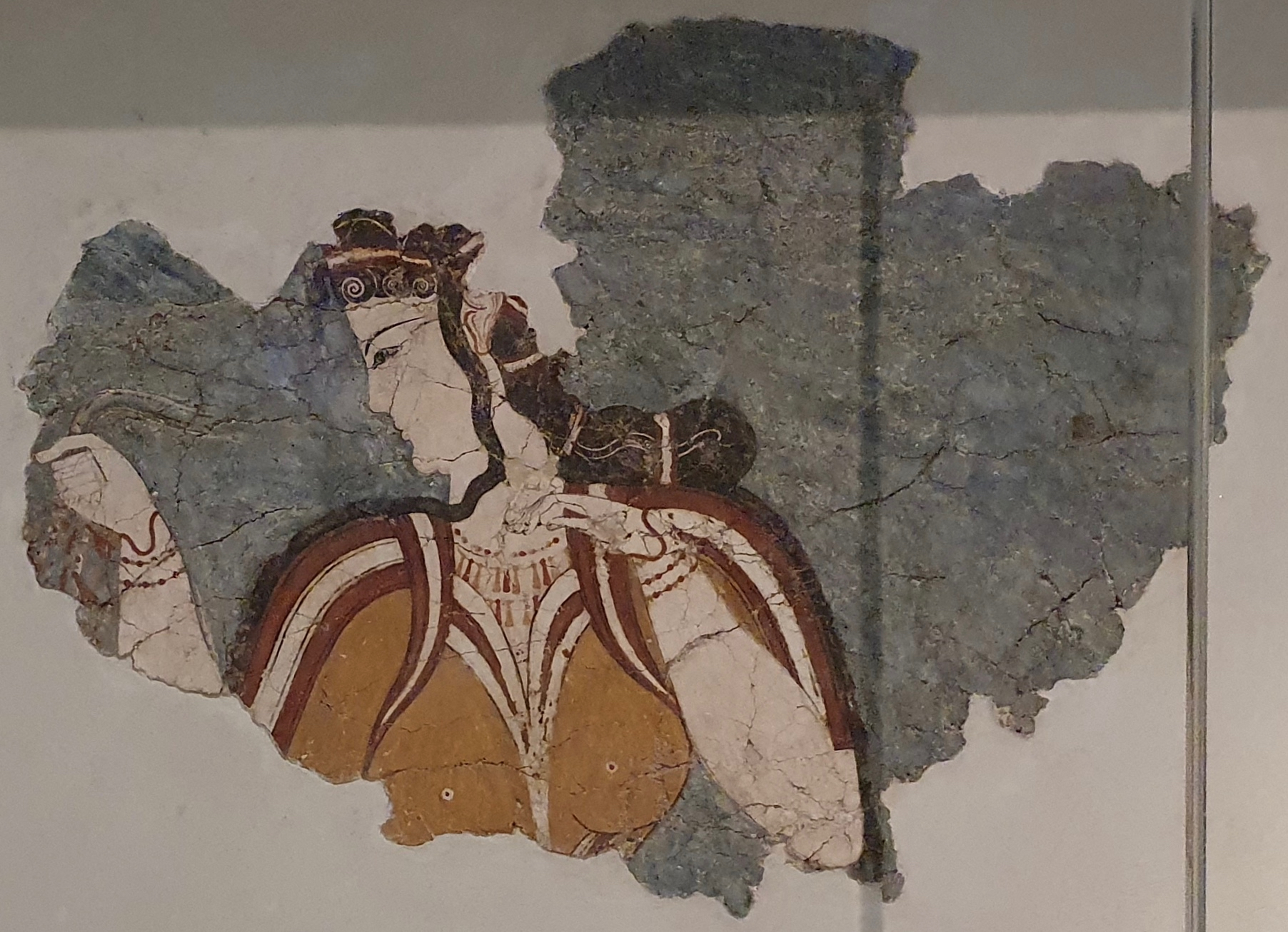
Mycenaean Lady Fresco, (Yair-haklai/CC BY-SA 4.0)
The lifelike reconstruction is rooted in forensic science and archaeology. It began with a clay replica of the woman’s skull, crafted in the 1980s by researchers at the University of Manchester, one of the early pioneers of facial reconstruction. Spanish digital artist Juanjo Ortega used this model as the foundation for the most recent depiction, refining the details with the help of contemporary DNA findings, skeletal analysis, and data from the tomb itself.
- Mycenae: The Ancient City Founded by Perseus
- Agamemnon: Greek King, Trojan War Leader, and Man of Power
Recent breakthroughs in genetic testing clarified that the two skeletons discovered in a single burial chamber belonged to siblings, overturning earlier assumptions that the pair were husband and wife. Their resemblance had previously fueled the belief that they were a couple, but DNA evidence told a different story. “The traditional story is that, if you have a woman next to a man, she must be his wife,” Hauser explained.
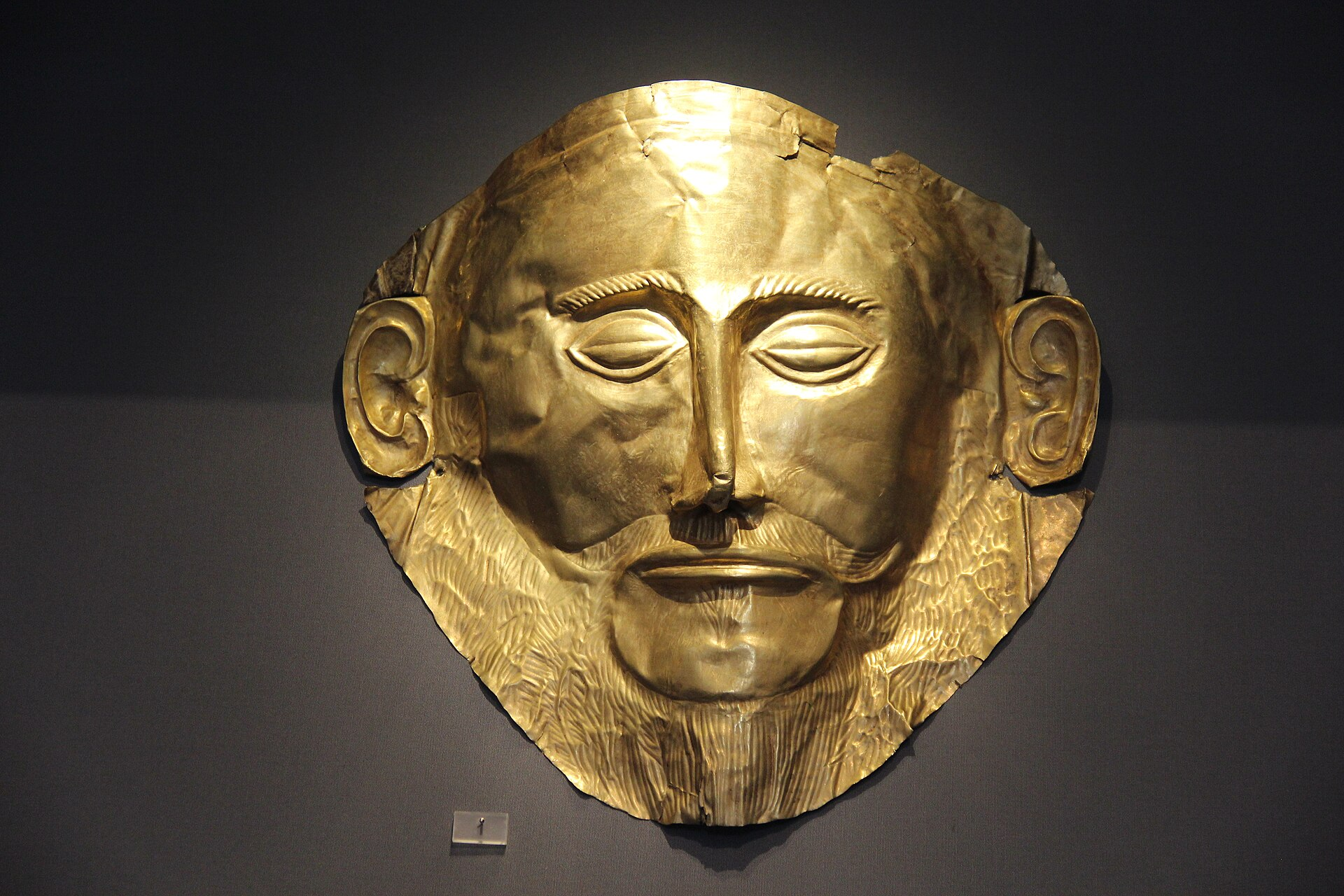
Golden Death Mask of Agamemnon, found in Grave Circle A by Heinrich Schliemann in 1876, Mycenae, 1550–1500 BC, (Gary Todd/Public Domain)
The woman, who died at approximately 35 years old, was interred in a royal Mycenaean cemetery between the 17th and 16th centuries BC. Her burial included high-status grave goods such as a gold mask made of electrum and three swords. Researchers now suggest that some of the prestigious grave goods may have belonged to the woman rather than the male burial.
Recent studies suggest that weapons appear in more female burials than previously recognized, challenging long-held assumptions about gender and warfare. The woman’s skeletal remains also revealed evidence of arthritis in her spine and hands. The arthritis may have been related to repetitive activities such as textile production - one of the most labor-intensive, yet common, tasks for women at the time.
- Five Fascinating Facts About the Mycenaeans (Video)
- Mycenaean Cult Of The Dead And Burial Architecture
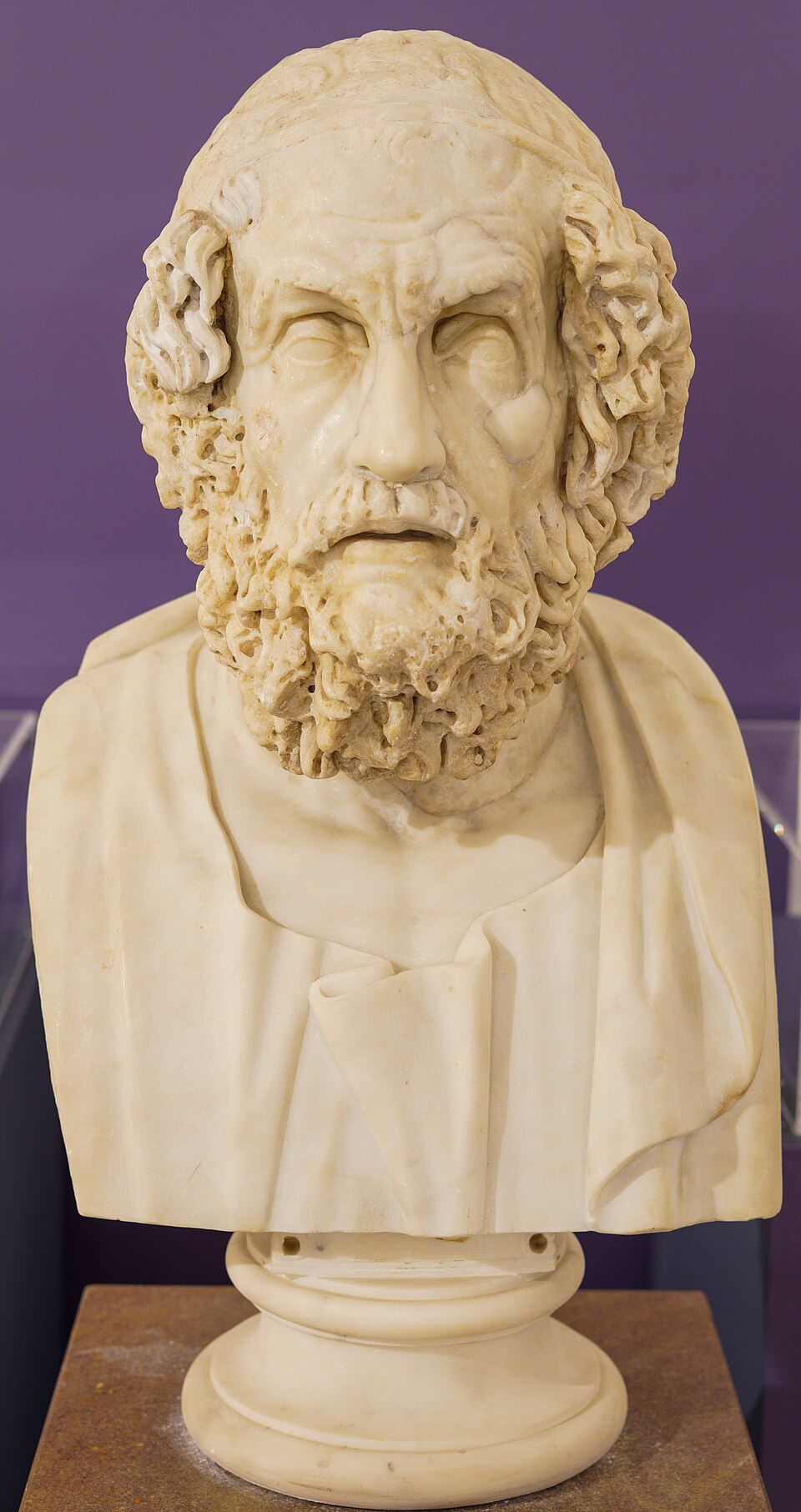
Bust of Homer (NikonZ7II/CC BY-SA 4.0)
A Face That Appears Surprisingly Modern
Hauser drew a connection to the epic poetry of the Iliad, noting, “It is a reminder of the physical strain on women of that time, like Helen in the Iliad, who is described as weaving.”
Dr. Hauser is preparing to publish her latest book, Mythica: A New History of Homer’s World, Through the Women Written Out of It, which focuses on reclaiming the stories of ancient women long overshadowed in traditional history.
- 3,300-year-old Mycenaean tomb and precious artifacts found in Central Greece
- Archaeologist says he has found part of the Throne of the Cursed Mycenaean Kings.
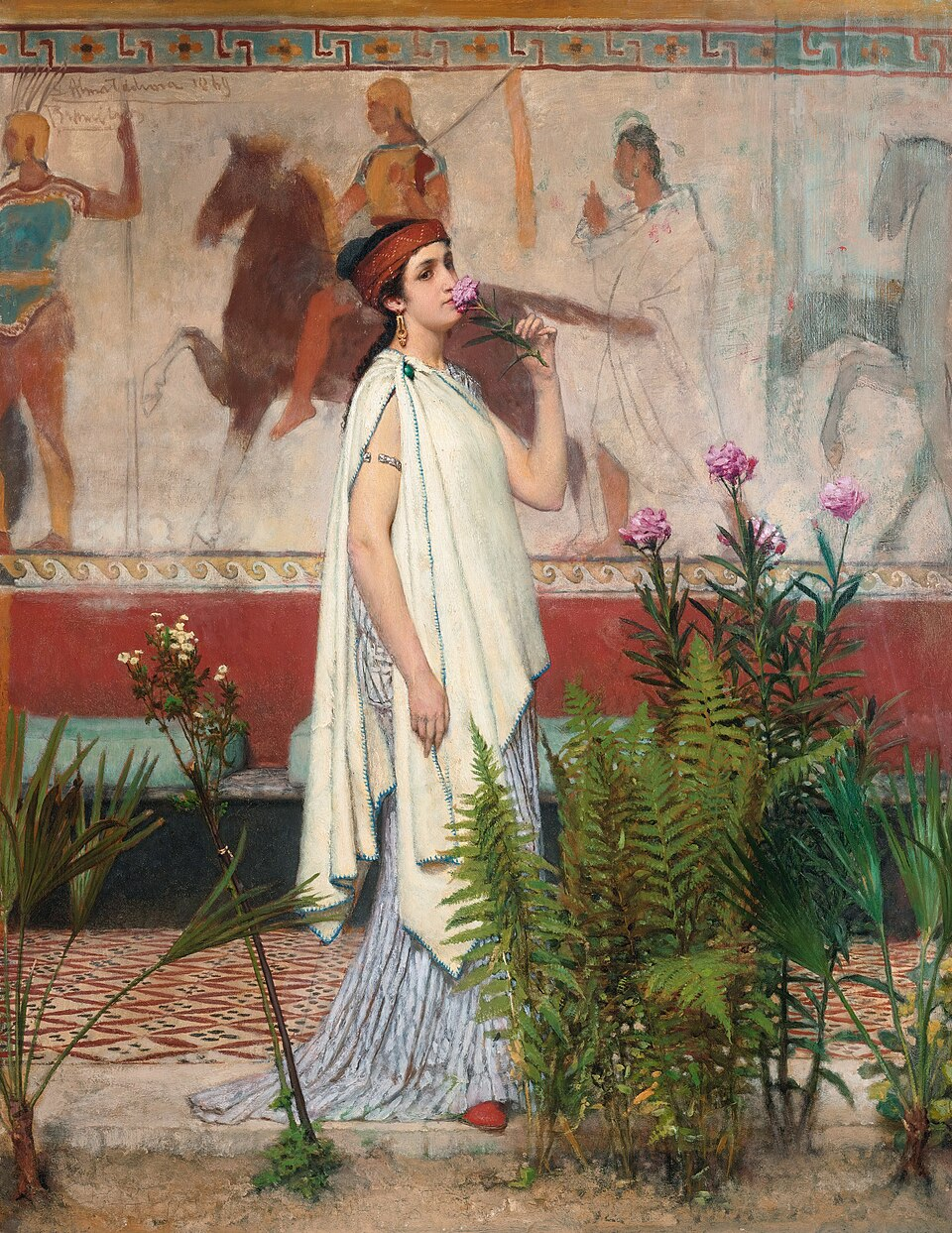
Classical Revival painting depicting an ancient Greek woman by Lawrence Alma-Tadema. Source: Sotheby’s/Public Domain
One reason the reconstruction attracted worldwide attention is that the resulting face appears unexpectedly familiar. Rather than resembling a distant historical stereotype, the woman looks strikingly modern.
The reconstructed face that emerged from this effort is that of a poised, commanding woman whose image invites a reconsideration of female agency in the ancient world. “This is a face that could have inspired legends—a woman worth remembering, not as a shadow of the men of her time, but as the protagonist of her own story,” Hauser said.
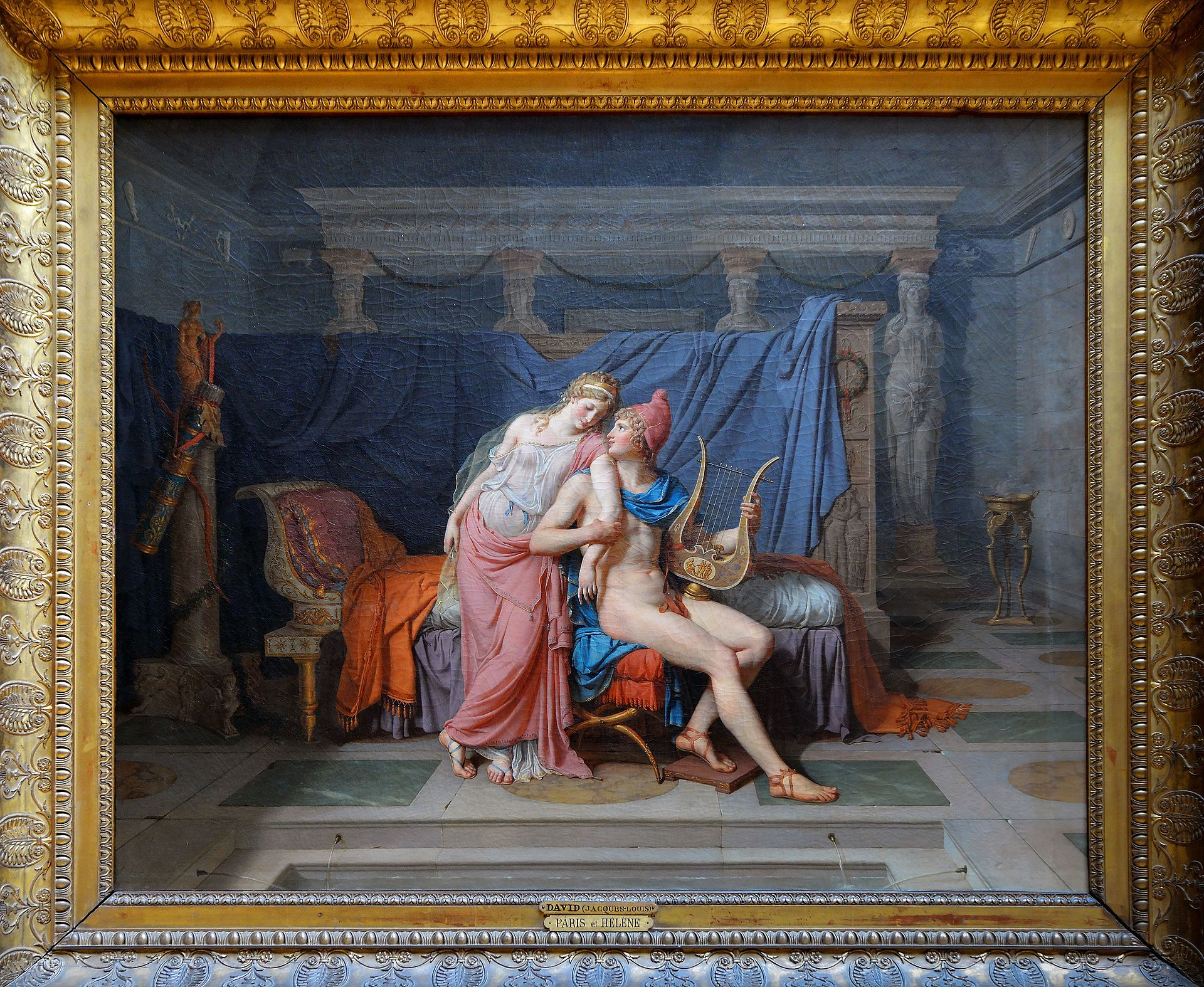
Paris and Helen by Jacques-Louis David (Livioandronico2013/CC BY-SA 4.0)
Rethinking Women in Mycenaean Society
This ancient Mycenaean woman lived centuries before the traditional date assigned to the Trojan War. Her lifetime falls within the flourishing period of Mycenaean civilization, a culture dominated by powerful palace centers run by kings and warrior elites, later represented by legendary figures such as Achilles, long-distance trade networks, and sophisticated administrative systems, which were recorded in the earliest known Greek writing, Linear B.
Although numerous legends connected Mycenae with Agamemnon and Clytemnestra, the reconstructed woman in question belonged to an earlier generation before Homer.composed his famous myths. Nevertheless, she still inhabits the same cultural landscape that eventually inspired some of the most famous stories throughout the long history of Western literature.
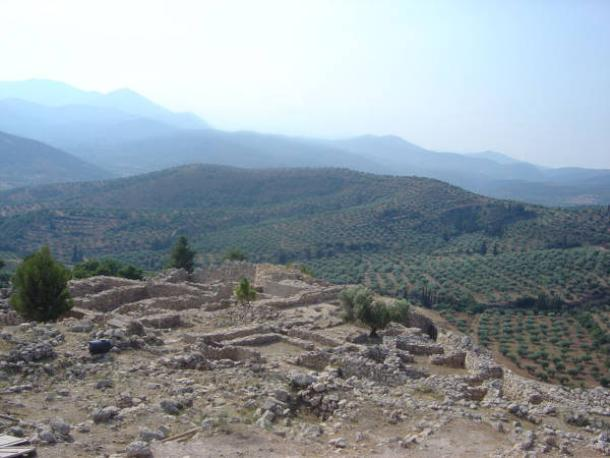
Ruins of the ancient city of Mycenae, on the Argolid Plain in Peloponnese, Greece. (David Manniaux/CC BY-SA 3.0).
Looking Into the Face of Bronze Age Greece
For centuries, the people of the Mycenean Kingdom have principally been known for linking archaeological remains and the legendary stories preserved by Homer. The kingdoms of Mycenae, Tiryns, and Pylos inspired Greek traditions surrounding Agamemnon, Helen of Troy, and the Trojan War. Yet the individuals who haven’t become famous in part due to Homer but lived in those societies have, unfortunately, remained largely unknown.
Though the tomb was first excavated in the 1950s, only now - with the benefit of modern tools - has it become possible to "see" the person behind the remains. Digital tools and scientific advances are helping scholars like Hauser bridge the gap between myth and history.
- The Golden Age Of Heroes: The Glory Of The Mycenaean Civilization
- Questioning the Mycenaean Death Mask of Agamemnon
"Such digital reconstructions persuade us that these were real people," she noted. “So this is such a wonderful way to connect real women's experiences to the ancient myths and tales.”
Mycenae itself looms large in Greek mythology. According to Homer, the city was ruled by King Agamemnon, the leader of the Greek forces during the Trojan War. Located on a modest hill between two larger ones on the Argolid Plain in Greece’s Peloponnese region, the site was once the heart of a powerful Bronze Age civilization.
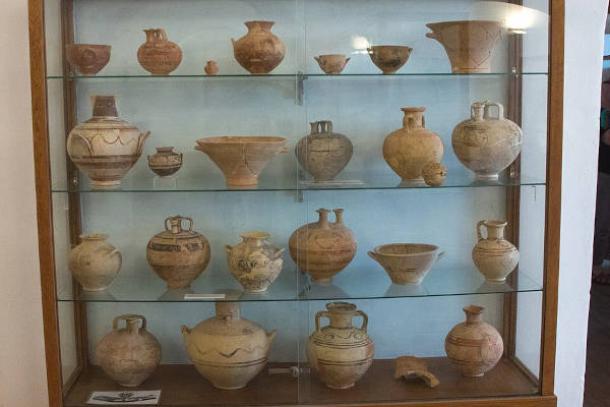
Some of the beautiful pottery associated with the ancient Greek Mycenaean civilization. (Zde/CC BY-SA 4.0).
Technology Meets Archaeology
Thanks to recent progress in forensic anthropology, genetic sequencing, radiocarbon dating, and 3D rendering, Researchers can now reconstruct probable facial appearances and aspects of daily life with unprecedented detail. Hauser sees this as more than a technical achievement. Instead, the technology is revising interpretations. “This approach brings us closer to the real women of antiquity, beyond stereotypes or mythological abstractions.”
- 3,500-Year-Old Tombs in Greece Reveal the Lost Techniques of Mycenaean Goldsmiths
- Achilles: The Greatest Hero of Greek Mythology?
With her face now seen for the first time in millennia, the Mycenaean woman demonstrates the combined power of science and storytelling to revive the past in a way that is more realistic and compelling than ever before.
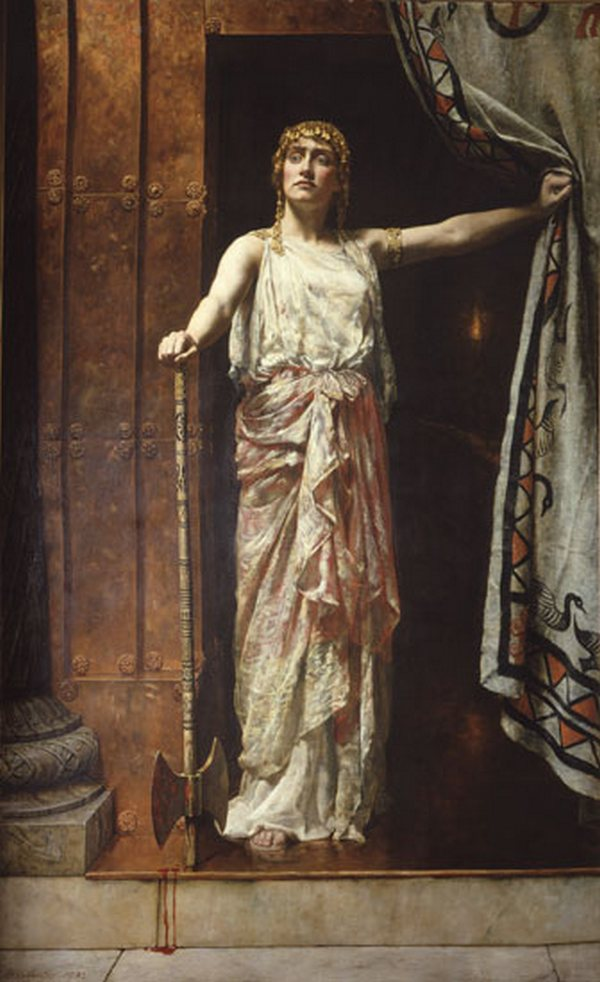
Queen Clytemnestra After the Murder (John Collier/PD-80, PD-US)
Conclusion
The reconstruction of this Mycenaean woman demonstrates far more than a simple technological exercise. It provides a rare opportunity to humanize one of the most important Bronze Age civilizations. Simultaneously, it challenges long-held assumptions about women in the ancient world, social class, and power in ancient Greece. As new scientific methods continue to reveal details about ancient burials and the faces behind Mycenaean legends. Perhaps the evidence gathered with this new technology may finally begin to emerge from the shadows of history.
Top image: Top image: Digital reconstruction of Mycenaean woman who lived more than 3,500 years ago. Source: Juanjo Ortega G.
By Ramsey Hardin
References
Hauser, Emily. “Peering into the Eyes of the Past: Reconstruction Reveals Face of Woman Who Lived Before Trojan War.” The Observer, April 5, 2025. Accessed June 16, 2026.
Iliad. Translated by Robert Fagles. New York: Penguin Books, 1990.
Newsroom. “A Woman from the Era of Agamemnon Comes to Life 3,500 Years Later and Looks More Modern Than Ever.” ProtoThema, April 6, 2025. Accessed June 16, 2026.
Odyssey. Translated by Robert Fagles. New York: Penguin Books, 1996.
























