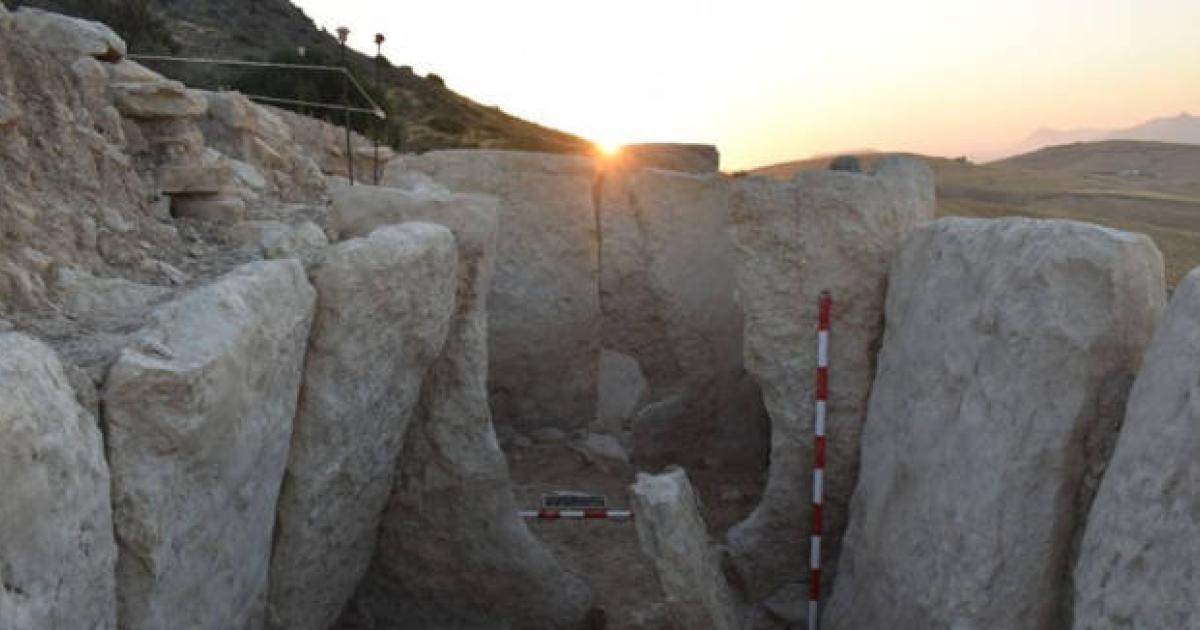

Archaeologists from the University of Cádiz have made a remarkable discovery in the town of Teba, Málaga, uncovering what may be one of Andalusia's most monumental prehistoric tombs. The massive, 13-meter-long (42.5 ft) dolmen, designated as "Dolmen I" at the La Lentejuela necropolis, represents an exceptional find that provides unprecedented insights into the sophisticated burial practices of Copper Age communities more than 5,000 years ago.
The megalithic tomb's extraordinary preservation has astonished researchers, who describe it as virtually complete with complex interior compartments that reveal advanced architectural planning. Dr. Eduardo Vijande and Dr. Serafín Becerra, who led the excavation project titled "Monumentality, Time and Society: The Megalithic Phenomenon at the La Lentejuela Necropolis," spent four meticulous excavation campaigns carefully uncovering this ancient monument stone by stone.
- Menga Dolmen Unveiled As "The Greatest Neolithic Engineering Achievement"
- Two Megalithic Bronze Age Dolmens Excavated in Southern Spain
Treasure Trove of Ancient Artifacts Reveals Elite Burial Practices
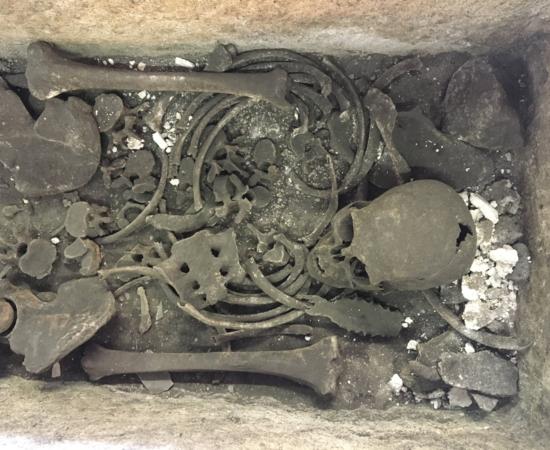
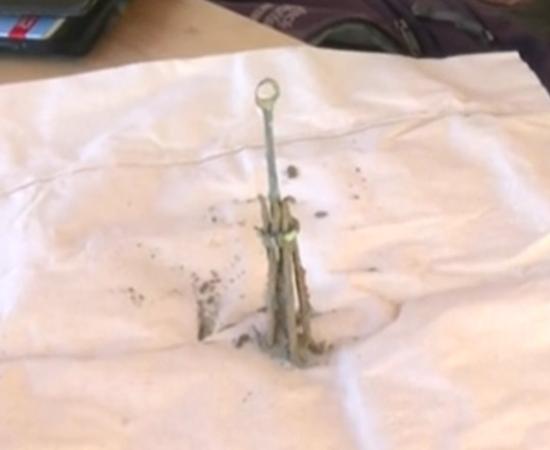
The tomb's interior yielded a spectacular array of grave goods that illuminate the wealth and status of those interred within. Archaeologists discovered several intact ossuaries accompanied by prestigious burial offerings crafted from exotic materials including ivory, amber, and seashells. The sophisticated flint assemblage includes finely crafted arrowheads, large-format blades, and an exceptional halberd that demonstrates advanced toolmaking techniques of the period.
According to Dr. Vijande, the true significance lies in the monument's remarkable state of preservation, which "will allow us to gain detailed understanding of the lifestyles and beliefs of these communities", quotes Heritage Daily. The presence of seashells in this inland location particularly intrigues researchers, as Professor Juan Jesús Cantillo notes it "reflects the importance of the sea as an element of prestige and the existence of very extensive exchange networks."
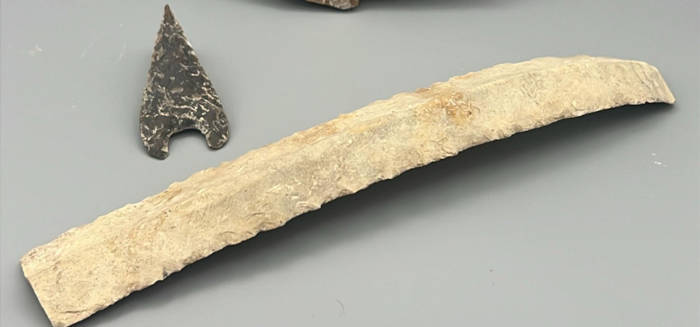
Sophisticated grave goods including flint tools and exotic materials found within the tomb. (SUREnglish)
Educational Legacy and Future Research
The La Lentejuela necropolis contains approximately 13 megalithic tombs ranging from simple structures to monumental dolmens, with the earliest dating to the late Neolithic period around the fourth millennium BC. Later Bronze Age groups returned to reuse these ancient chambers, demonstrating the enduring significance of these sacred spaces across millennia.
The project serves dual purposes as both groundbreaking research and educational opportunity. Each year, history students from the University of Cádiz participate in the excavations, gaining hands-on archaeological experience while contributing to this significant discovery. Doctoral students Alejandro Muñoz and Jesús Corrales joined this year's fieldwork alongside undergraduate students who can now claim direct involvement with a 5,000-year-old monument.
- 5000-Year-Old Temple Emerges from Underwater in Spain
- Who Were the Ancient People that Built the Remarkable Megalithic Tombs of Málaga?
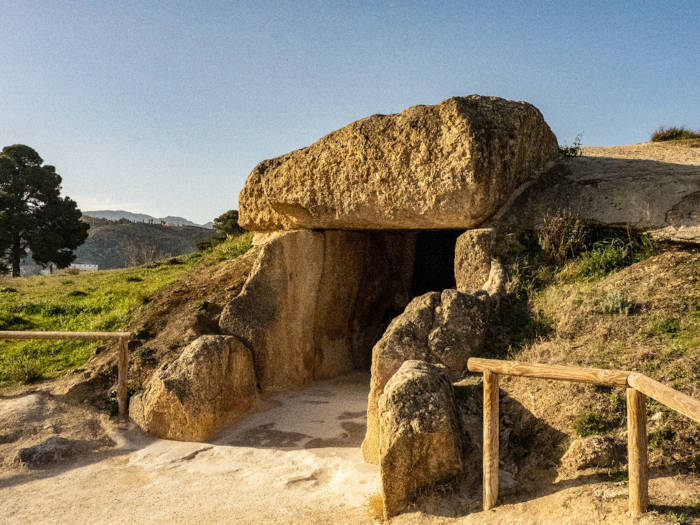
The famous Dolmen of Menga near Antequera demonstrates the megalithic mastery of prehistoric Iberian builders. (Tony Makepeace/CC BY 2.0)
The discovery reinforces southern Spain's position as a center of megalithic construction, joining the renowned Antequera Dolmens UNESCO World Heritage Site in demonstrating the architectural sophistication of prehistoric Iberian societies. The project receives financial support from Teba town hall, collaboration from the Palarq Foundation for archaeometric analysis, and logistical backing from the University of Cádiz, highlighting the importance of preserving archaeological heritage as a symbol of cultural identity.
This monumental dolmen provides compelling evidence of the complex social hierarchies and extensive trade networks that characterized Copper Age communities in southern Iberia, offering invaluable insights into how these ancient societies lived, traded, and honored their dead more than five millennia ago.
Top image: The newly discovered Dolmen I at La Lentejuela necropolis in Teba, Málaga, showing the exceptional preservation of this 5,000-year-old megalithic tomb. Source: University of Cádiz via Archaeology Magazine
By Gary Manners
References
Becerra, S., Vijande, E. (2025). Dolmen I at La Lentejuela necropolis discovery. Available at: https://archaeology.org/news/2025/09/25/5000-year-old-monumental-prehistoric-tomb-found-in-spain/
University of Cádiz. (2025). 5,000-year-old dolmen complex discovered in Teba. Available at: https://www.heritagedaily.com/2025/09/5000-year-old-dolmen-complex-discovered-in-teba/156044