

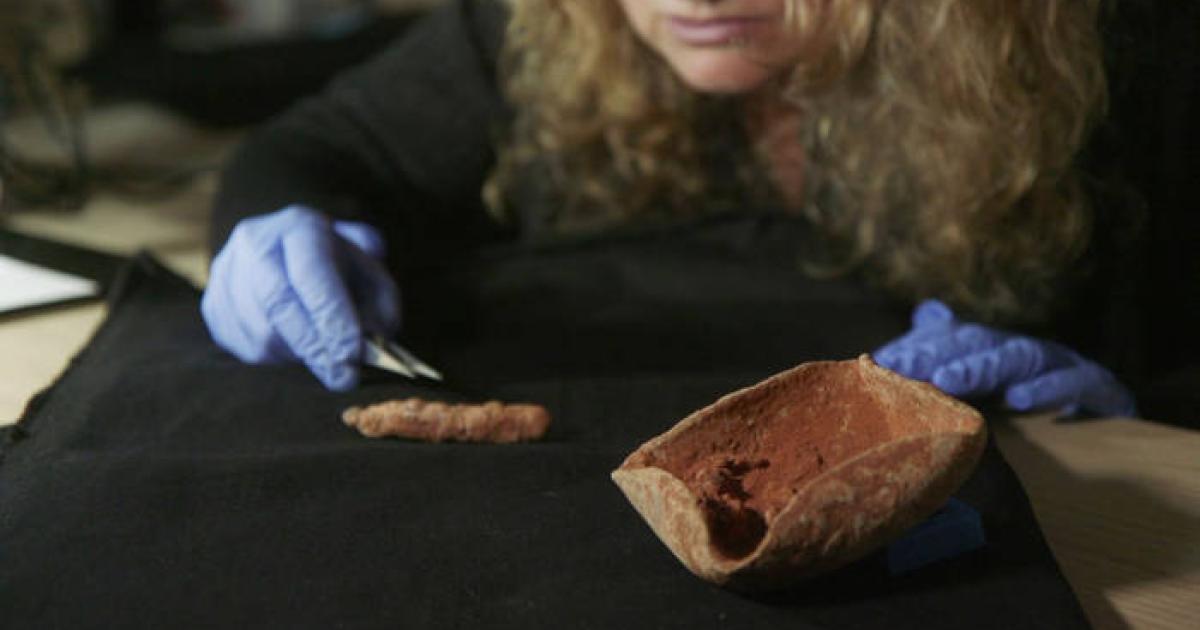

Archaeologists in Israel have made an extraordinary discovery that curiously sheds new light on both Bronze Age burial customs and ancient recycling practices. Three textile lamp wicks, approximately 4,000 years old, were uncovered during excavations near Yehud, representing some of the oldest known examples worldwide and providing rare insights into Intermediate Bronze Age illumination technology.
The remarkable preservation occurred through what researchers describe as "a singular event of organic preservation in a humid climate," according to Israel Antiquities Authority scientists Dr. Naama Sukenik and Dr. Yonah Maor. The discovery was made during development work for a new Yehud neighborhood, funded by the Israel Lands Authority, with findings recently published in Atiqot Journal, Vol. 118.
- 10 Ancient Technologies That Are Still a Mystery Today
- Engineering Secrets of Barbegal Mills, The World's First Industrial Complex
Exceptional Preservation in Mediterranean Climate
The wicks survived inside clay oil lamps dating to the Intermediate Bronze Age (c. 2500–2000 BC), discovered within burial tombs alongside pottery, animal bones, metal weapons, and jewelry. According to excavation directors Dr. Gilad Itach, Yossi Elisha, and Yaniv Agmon, the lamps served dual purposes during burial ceremonies - providing practical illumination in dark underground spaces while carrying profound spiritual significance.
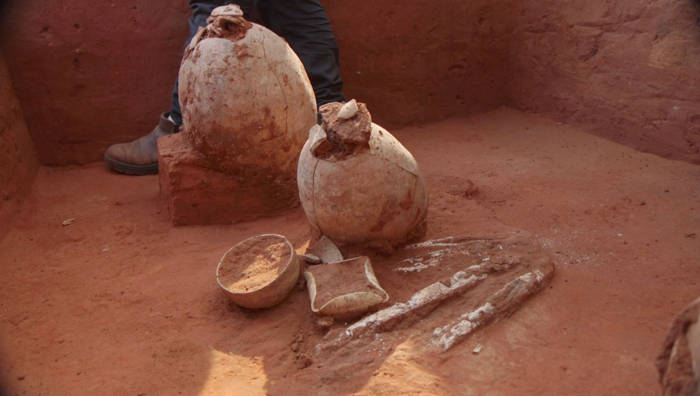
Four-spouted oil lamp typical of the Intermediate Bronze Age period, discovered alongside other burial offerings. (Assaf Peretz, Emil Aladjem/ IAA)
Laboratory analysis revealed that the wicks underwent a unique fossilization process over millennia, enabling their extraordinary preservation. Soot traces confirmed these lamps were actually used, likely lit during grave preparation and burial ceremonies. The symbolic importance of fire in ancient Near Eastern cultures connected burning flames with human souls - a concept reflected in the modern Hebrew term "Ner Neshama" (flame of the soul).
- Ramesses II Era Tomb Found in Distant Israeli Beach Cave Is Astounding!
- Were the Lost Ten Tribes of Israel Ever Lost?
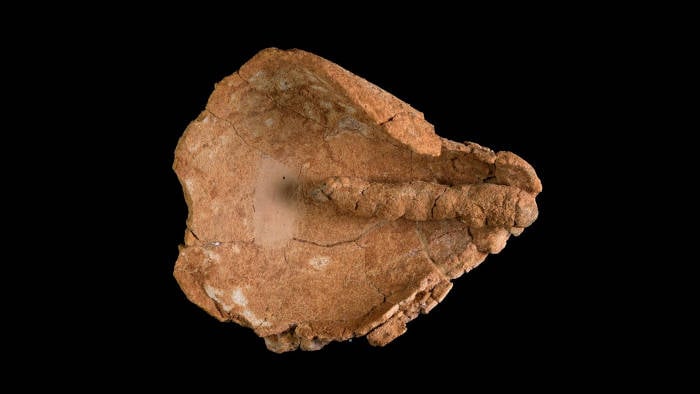
The oil lamp with a fabric wick is one of the oldest known in the world. (Dafna Gazit, Emil Aladjem/IAA)
Ancient Recycling Reveals Economic Wisdom
Perhaps most intriguingly, analysis revealed the wicks were crafted from recycled linen fabric - expensive textile material reused after completing its original purpose. Dr. Sukenik explains that costly linen would unlikely have been woven specifically for combustion objects, indicating sophisticated resource management practices.
The wicks were constructed from textile strips cut and twisted together, demonstrating creative problem-solving and economic efficiency. This evidence of 4,000-year-old recycling practices reveals that ancient communities maximized precious raw materials through intelligent reuse - principles remarkably similar to modern sustainability concepts.
According to IAA Director Eli Escusido, these discoveries contribute to understanding Israel's archaeological heritage, with each finding forming part of the region's greater historical narrative. The research continues the Authority's commitment to documenting and sharing archaeological knowledge with the public, maintaining what he describes as "the flame of research" for future generations.
Top image: Dr. Naama Sukenik examining the ancient lamp wick, discovered near Yehud, Israel during development work. Source: Emil Aladjem/ Israel Antiquities Authority
By Gary Manners
References
Israel Antiquities Authority. 2025. 4000-year-old oil lamp wicks discovered in archaeological dig near Yehud. Available at: IAA
Sukenik, Dr N et al. 2025. Secondary Use of Textiles for Wick Production in Light of the Finds from the Intermediate Bronze Age Cemetery at Newe Efrayim. ʼAtiqot Journal, Vol. 118. Available at: https://publications.iaa.org.il/atiqot/vol118/iss1/4/






















