

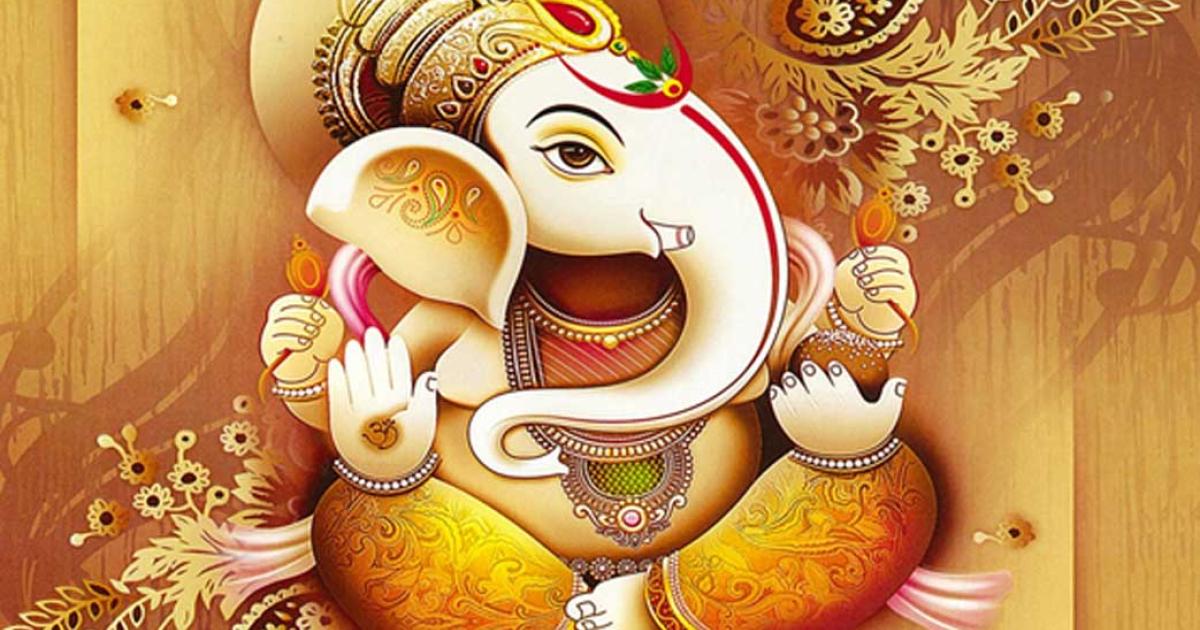

Ganesha is one of the most distinctive Hindu deities. His role is to remove obstacles and ensure success as well as creating obstructions for those whose ambition has become destructive. He is also the patron of travelers, students, commerce and new endeavors. Traditionally, all sessions of bhajan (devotional chanting) begin with an invocation of Ganesha with incantations such as Aum Shri Ganeshaya Namah (“hail the name of Ganesha”).
Although mentions of different qualities of Ganesha has existed for much longer, he appeared as a distinct deity in a recognizable form during the Gupta Period (c. 320-600 CE) of Indian history. He then went on to become one of the most prevalent Hindu deities in foreign lands through the development of new networks of exchange and money circulation throughout Asia in the 10th century CE. It was during this time that Ganesha became associated with traders who would pray that he would grant them success and remove obstacles in their path. This led to the spread of the worship of Ganesha into a wide variety of other cultures.
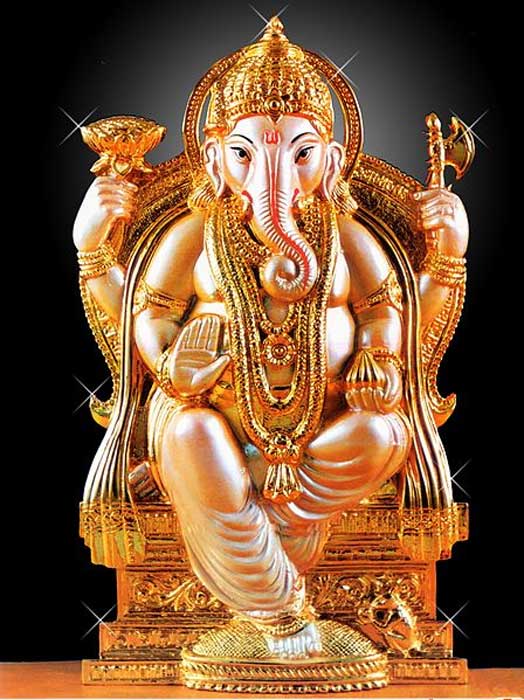
Statue of Ganesha (Sachinbatwal/CC BY-SA 4.0)
The Birth and Many Adventures of Ganesha
In the later Puranas, composed c. 600 CE, Ganesha was described as the son of Shiva and his consort Parvati. Ganesha was created by his mother using earth which she molded into the shape of a boy. As Shiva was away, Parvati set her new son as guard while she bathed. Not long after, Shiva unexpectedly returned home and, on finding the boy and outraged at his impudence in claiming he was Parvati’s son, Shiva called for his demons, the bhutaganas, who fought ferociously with Ganesha.















