
Controlling outcomes, steering destiny and reversing fate in ancient times was all about spells and old-school hands-on magic. Practitioners in ancient Greek and Rome commonly used ‘binding spells’ to affect the outcomes of trade transactions, affairs of the heart and to wage revenge, while ancient Jews maintained a universal magical system known as ‘kabbalah’ which described all of creation between earth and divine realms. However, less well-known are the systems of magic in the northern regions, not because magic was any less important to ancient Norse cultures, but more so because Christianity all but stamped it out.
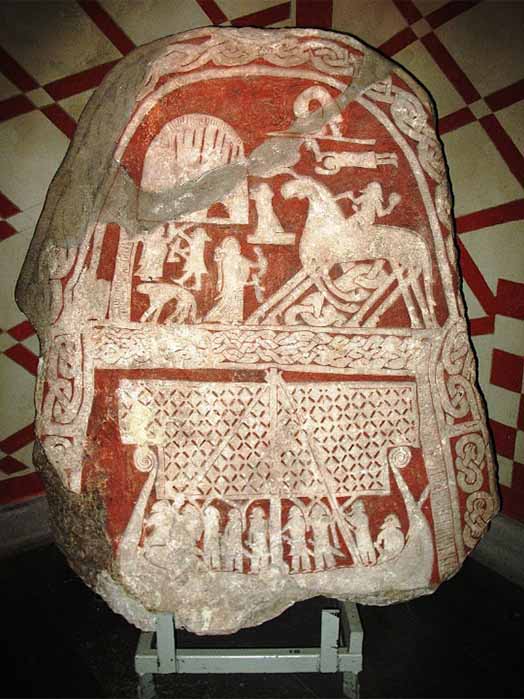
The Tjängvide image stone with illustrations from Norse mythology. Gotland, Sweden. (Berig/ CC BY-SA 4.0)
The Practice Of Seidr
The Old Norse term seiðr described a type of Norse magic practiced in the Late Scandinavian Iron Age which essentially attempted to foresee and shape future events. Having been developed over many centuries the practice declined across Scandinavia after its Christianization, which occurred in the mid-11th century in Denmark and Norway, and in the mid-12th century in Sweden. Ancient Norse Sagas contain detailed accounts of people working seiðr rituals and archaeologists have unearthed many magical devices. This suggests seiðr was a form of shamanism where cult leaders undertook visionary journeys and returned to depart cosmic knowledge to followers.
The term ‘shamanism’ generally relates to healing traditions and focuses on understanding the connection to nature, and the role of the shaman is to maintain the well-being of all creation through journeying, ritual, sacred dances and ceremonies at natural places imbued with natural powers such as waterfalls, rivers, huge stones and spring wells. Therefore, a shaman is an intermediary between this world and spirit realms and their lives were spent serving communities by ensuring the physical and spiritual wellbeing of families, the community and all of creation. According to scholar Leszek Gardela’s 2009-book Into Viking Minds: Reinterpreting the Staffs of Sorcery and Unravelling Seidr male seiðr practitioners were known as seiðmenn and female sorceresses were v?lur, seiðkonur and vísendakona.