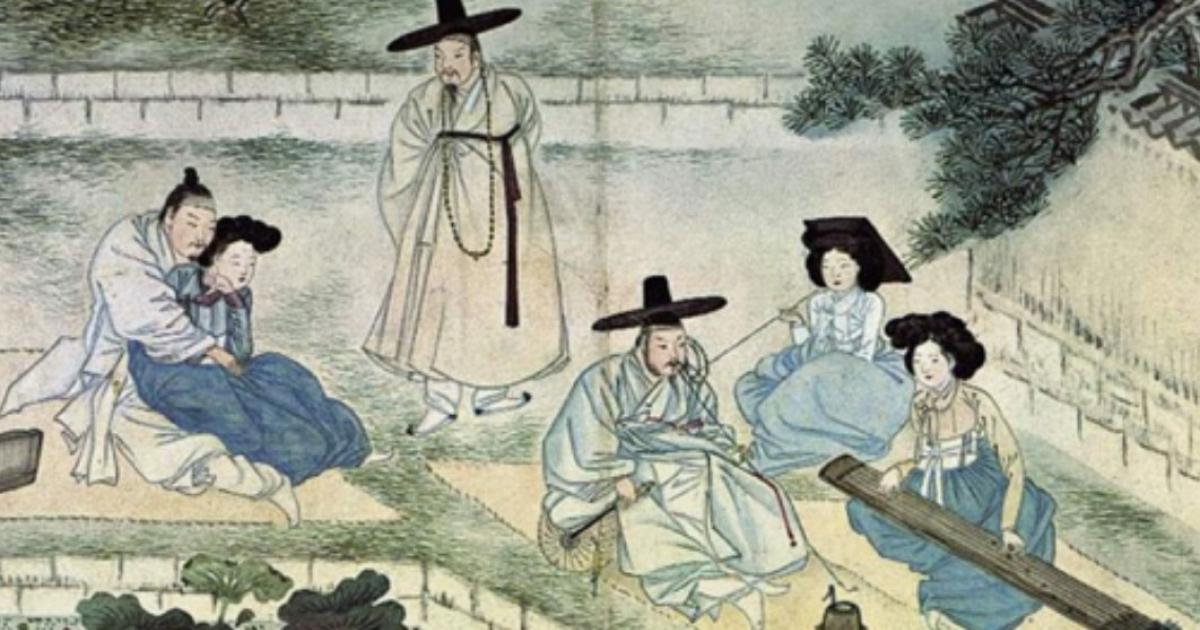

The smooth running of Korean royal households depended upon the unseen hands of gungnyeo; the seamstresses, cooks, chambermaids, water- and firewood bearers and other servants. Behind the scenes a disciplined regiment, defined by class and rank, functioned efficiently to ensure that the lives of royalty flowed seamlessly without ripples. But even royal brides were not exempt from strict selection processes and training to become influential queens.
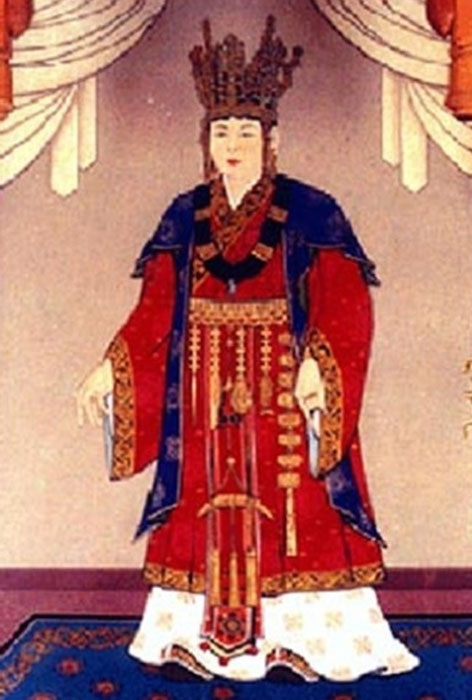
Queen Seondeok of Silla (Public Domain)
Topsy Turvey Traditional Roles
In the early history of Korea, women reigned as queens in their own right. Queen Seondeok, for example, reigned as Queen Regnant of Silla, one of the Three Kingdoms of Korea, from 632 to 647 AD and apparently wielded enough power to encourage a renaissance in thought, literature, and the arts in her kingdom.
However, the lives of women took an about-turn during the Joseon Dynasty (1392 - 1910) as the country adapted to neo-Confucianism. Although the cultural spotlight had shifted on the men at this time, it was clear that women still held important roles in society. Many prominent positions traditionally held by women since early Korea had survived due to a decree made by King Taejo in 1392. These positions were embedded as a system of central and local government offices. Apart from the term ginyeo (singing woman) or kisaeng, which originated from the era of the Three Kingdoms (57 BC - 668 AD), there was another class of ladies called gungnyeo (palace women), short for gungjung yeogwan (a lady officer of the royal court) which included court ladies and matrons. They were first recorded in the History of Goryeo, the main surviving history of Korea's Goryeo Dynasty (918 – 1392 AD).