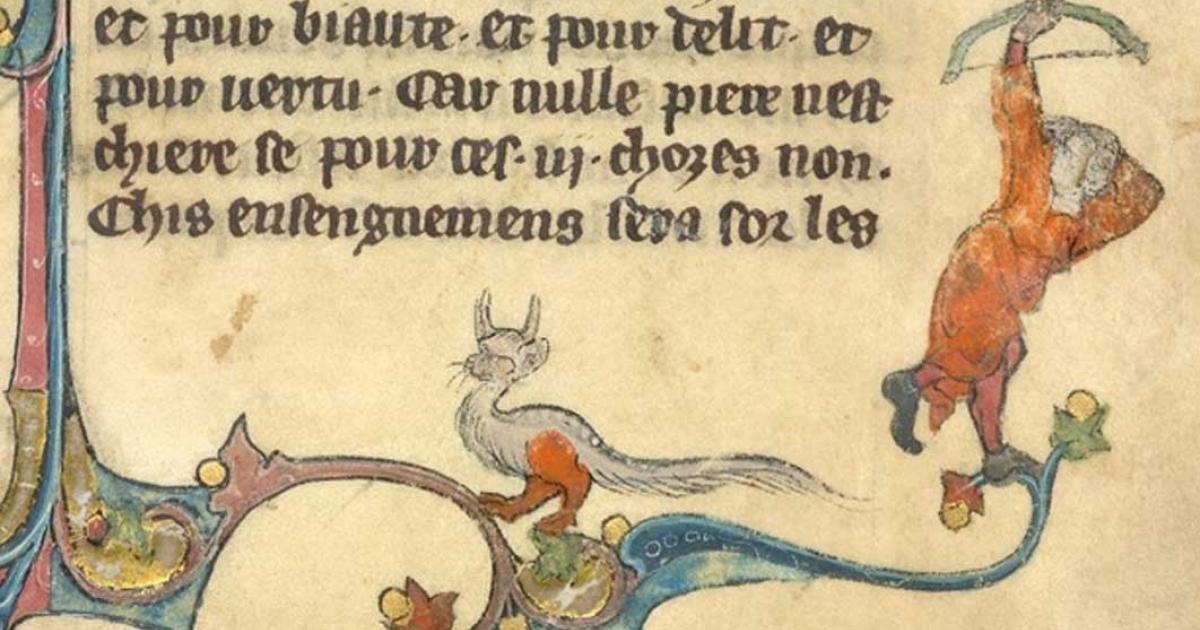

Why would knights be fighting snails? Medieval art is a complex weave of surreal, bizarre and sometimes disturbing imagery and artists took creative license to a whole new experimental level. With increased global traveling, reports of bizarre creatures and strange phenomena from the new-found lands grew more popular, but what exactly did people see out there in the mountains, oceans and skies that lead to some of mythologies’ most famous dragons, serpents and even UFO attacks?
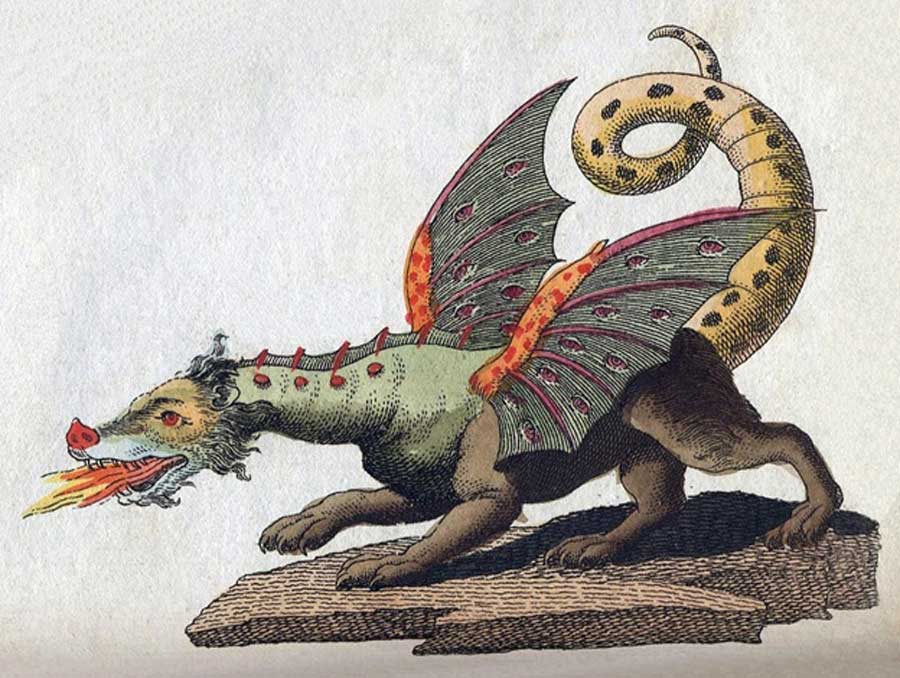
Illustration of a winged, fire-breathing dragon. Friedrich Justin Bertuch (Public Domain)
Sky Phenomena: UFO Attack?
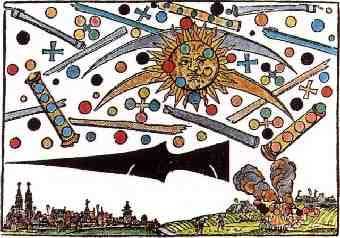
Medieval art presents some pretty bizarre phenomena in the skies, particularly illustrated in a woodcut by artist Hans Glaser depicting a: “sky filled with different shaped objects. Again there were disks. There were also long tubes, bulbous crosses, and arcing streaks.”