
On the fourth floor of the Museum of the Bible in Washington DC, there is a permanent exhibit that many thousands of people have gladly paid more than $20 to visit in order to gaze with rapt attention at fragments of the Dead Sea Scrolls. Carefully sealed in climate-controlled glass cases, protected from the hands of an adoring public, they are considered the most prized portion of the museum's extensive collection. Visitors read the story of their discovery and translation and are duly impressed by this precious example of archaeology at its finest.
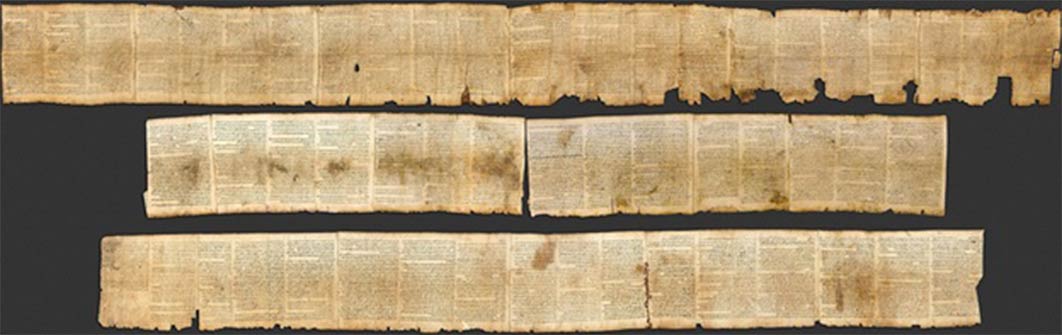
The Isaiah scroll contains almost the whole Book of Isaiah. (Public Domain)
Unfortunately, in early March of 2020, the museum was forced to announce that the entire collection, every one of the fragments so lovingly protected with high-tech equipment, financed by the entry fees of the multitudes of adoring fans, was fake. Sixteen fragments form the heart of the exhibit. Each one is a forgery, some produced as late as the 20th century. They fooled even the most careful collectors.
According to museum staff, there was no fraud involved. Despite many legitimate scholars who studied them, and pronounced them all authentic, they are all forgeries. To the museum's credit, as soon as the facts became known, they admitted it right away. “The Museum of the Bible is trying to be as transparent as possible,” said CEO Harry Hargrave. "We are victims. We are victims of misrepresentation. We are victims of fraud.”