

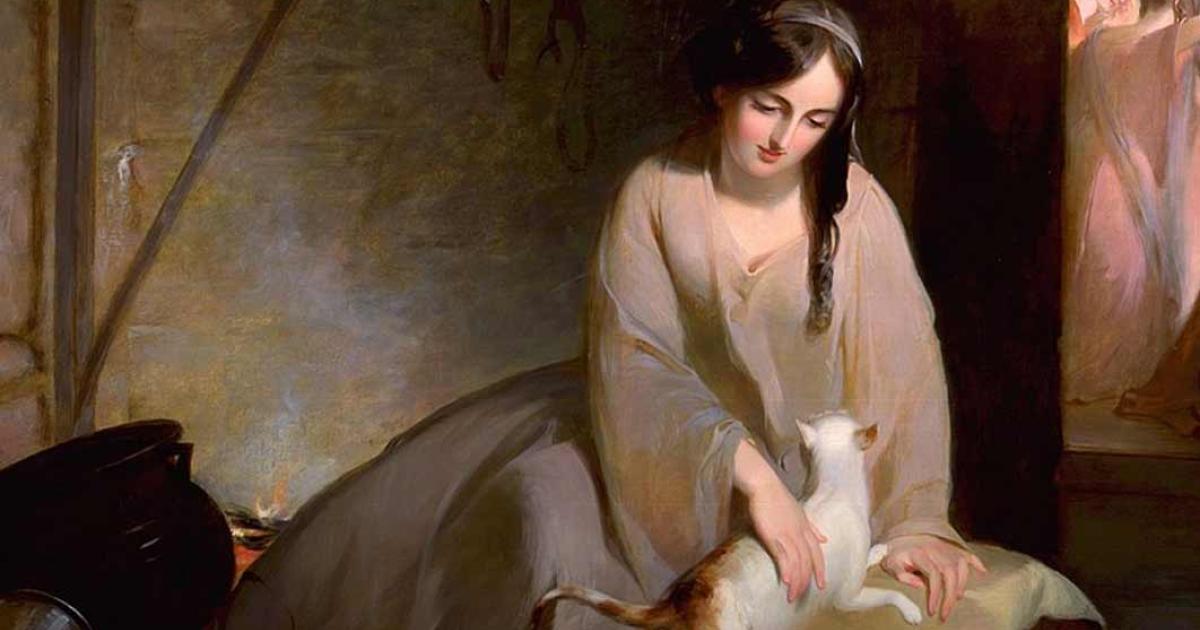
The Cinderella tale common in most households is one of the most pervasive narratives in human culture and across global geography. Types of this story exist as far back as 2000 BC in the Sumerian Inanna texts. Classic Greek historians, such as Sappho and Herodotus, recount historical legends with all the elements of the Cinderella tale. In 1893, Marian Roalfe Cox published a 600-page volume recounting 345 different variants of the Cinderella narration across the globe and throughout history. This work provides the foundation for Cinderella categorization and research.
Charles Perrault’s Cinderella
The common rendering of the Cinderella tale in popular culture descends from a 1697 French version written by Charles Perrault. Perrault wrote an anthology of vernacular folktales, and in many instances, as in his version of Cinderella, modernized them by adding elements (the glass slipper is a Perrault invention) and moral themes (his tale makes Cinderella the pinnacle of grace – Cinderella forgives her cruel sisters and marries them off to lords of the court). This version of Cinderella has become mainstream in modern times, and subsequent versions (such as the films Slipper and the Rose, Ever After, Disney’s Cinderella, Maid in Manhattan, and so forth) are based on Perrault’s own adaptations.
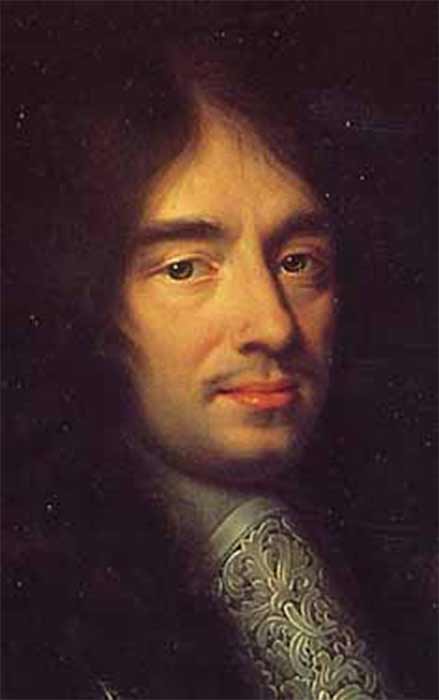
Charles Perrault by Philippe Lallemand, (1672) (Public Domain)
Perrault’s version of Cinderella, however, omits a host of images, symbols, and themes found in earlier variants. While the scope of this essay cannot address most of these omissions, it will focus on one central image common in worldwide renditions of the story: the Cosmic Tree. Different versions of the story are examined, but for the purposes of space the Cinderella-like events which occur in these stories are often left out. Nevertheless, each of these tales share the essential Cinderella elements: a poor yet beautiful girl is inflicted with trials, oft times by a stepmother and cruel sisters, and/or sometimes with a descent into the underworld, and through a divine boon, usually given by a tree or representative of the tree (such as a bird), the girl is transformed into a princess, is given a new identity, and marries a royal figure. This marriage takes place oft times after a further trial, such as the fitting of a garment or shoe. As stated, the fulcrum of these versions spins around the image of a tree.
















