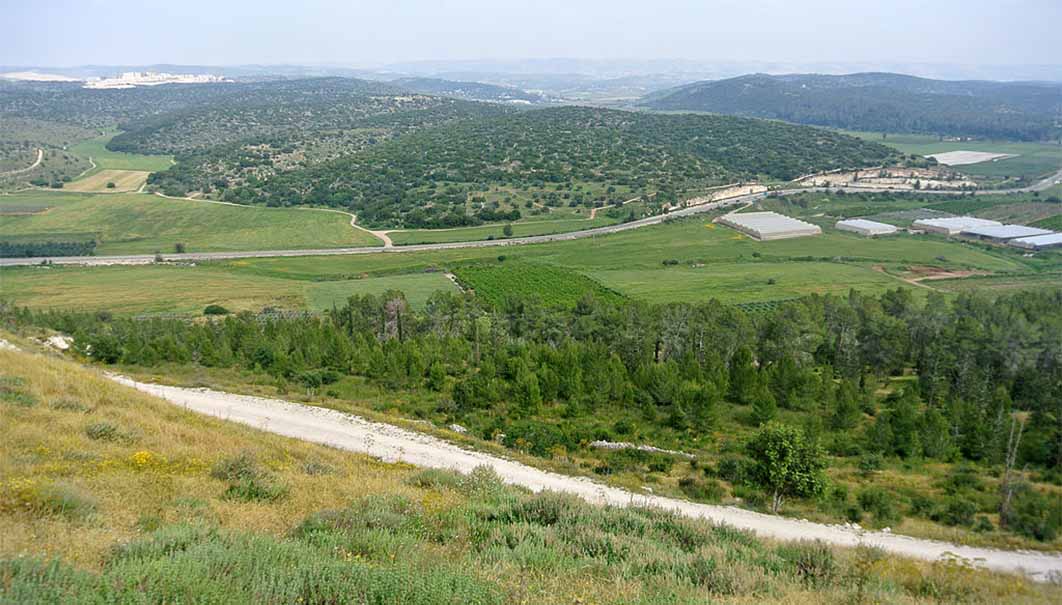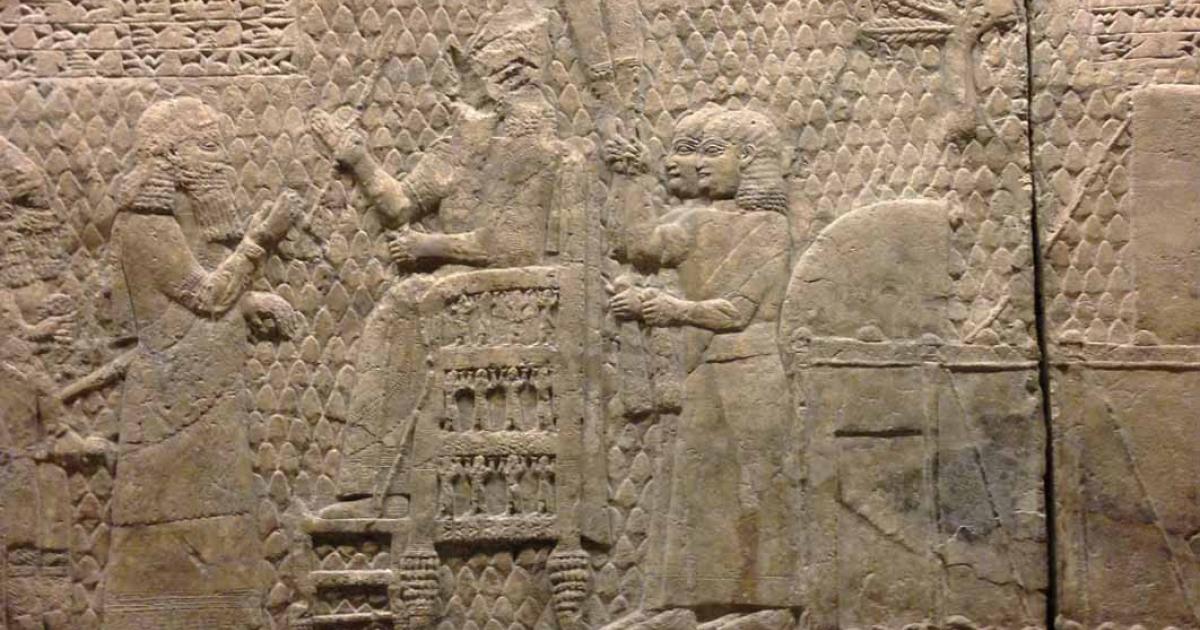
Describing the fortress of Azekah 2,700 years ago the mighty Assyrian King Sennacherib wrote that “its walls were strong and rivalled the highest mountains…by means of beaten earth ramos, battering rams…I captured, I carried off its spoil, I destroyed, I devastated,” invoking a scene of great energy and destruction. Along with Lachish and Jerusalem, Azekah fell to the Assyrians during their campaign against the kingdom of Judeah, but this is just one episode in Azekah’s long and chequered history characterized by defense and conquest.
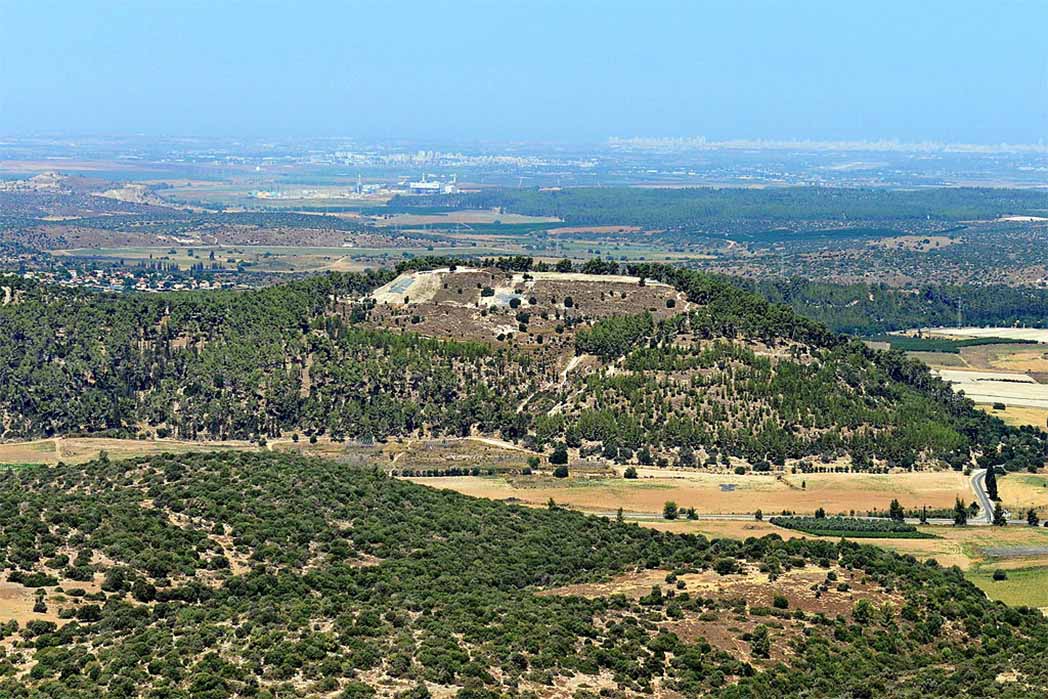
View of Tel Azekah (AVRAMGR /CC BY-SA 4.0)
Archaeological Significance
Today the site of Tel Azekah, lies in the heart of the Shephelah in south-central Israel. It is situated 45 kilometers (28 miles) from Tel Aviv, 30 kilometers (18 miles) from Jerusalem and it guards the Valley of Elah. As such it lies in an important and strategic position along the ancient trade routes of the region. The site's history stretches back 3,500 years into the Early Bronze Age when it was first settled and continued until it was largely abandoned following the Byzantine period.