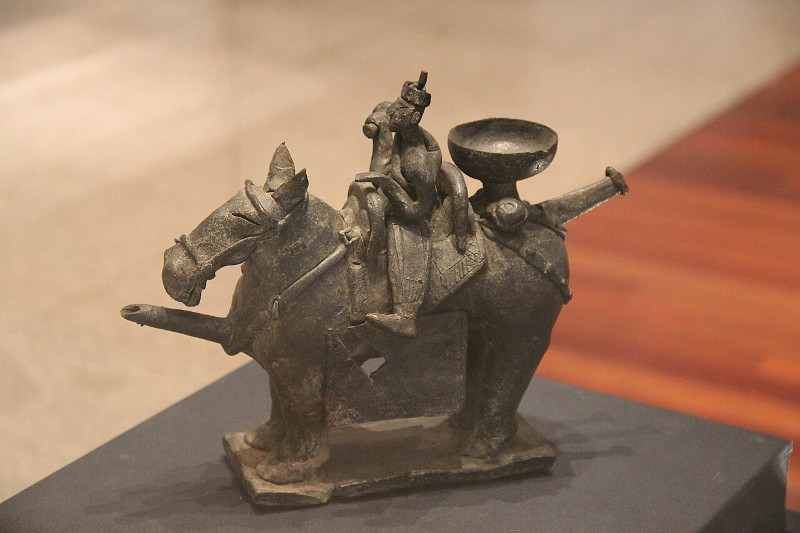

The Korean Peninsula, a land rich in history and culture, was once home to three powerful and influential kingdoms: Silla, Goguryeo, and Baekje. These kingdoms, which existed from the late 1st century BC to the late 7th century AD, played key roles in shaping the history, culture, and political landscape of Korea and its neighboring regions. Each kingdom had its own unique characteristics, achievements, and contributions to the development of Korean civilization. The story of the intricate histories of Silla, Goguryeo, and Baekje, explores their origins, political structures, cultural achievements, military exploits, and eventual fates.
The Kingdom of Silla
Silla, one of the Three Kingdoms of Korea, was founded in 57 BC by Bak Hyeokgeose in the southeastern part of the Korean Peninsula. Silla started as a small tribal state but gradually expanded its territory and power. Its capital was Gyeongju, a city that became a vibrant center of culture and politics. Silla is particularly renowned for its role in unifying the Korean Peninsula in the 7th century AD, a significant historical achievement that laid the foundation for subsequent Korean states.
- What Happens if Scholars Rule a Kingdom? How Korea’s Kingdom of Joseon Lived Up to its Legendary Namesake
- The Rise and Fall of Shaman Queens of the East
The political structure of Silla was highly centralized, with a hereditary monarchy supported by a powerful aristocracy. The ruling class, known as the "bone rank" system, was divided into several hierarchical levels, with the "sacred bone" (seonggol) and "true bone" (jingol) being the highest ranks. This system determined one's eligibility for high office and marriage alliances, thus ensuring the concentration of power within a limited elite group.
Silla's cultural achievements were substantial, particularly in the fields of art, architecture, and Buddhism. The kingdom is known for its exquisite gold crowns, intricate pottery, and the construction of the Bulguksa Temple and Seokguram Grotto, both of which are UNESCO World Heritage Sites. The introduction of Buddhism in the 5th century AD had a profound impact on Silla society, influencing its art, culture, and political ideology. Monasteries and temples became centers of learning and culture, contributing to the flourishing of Buddhist art and literature.