

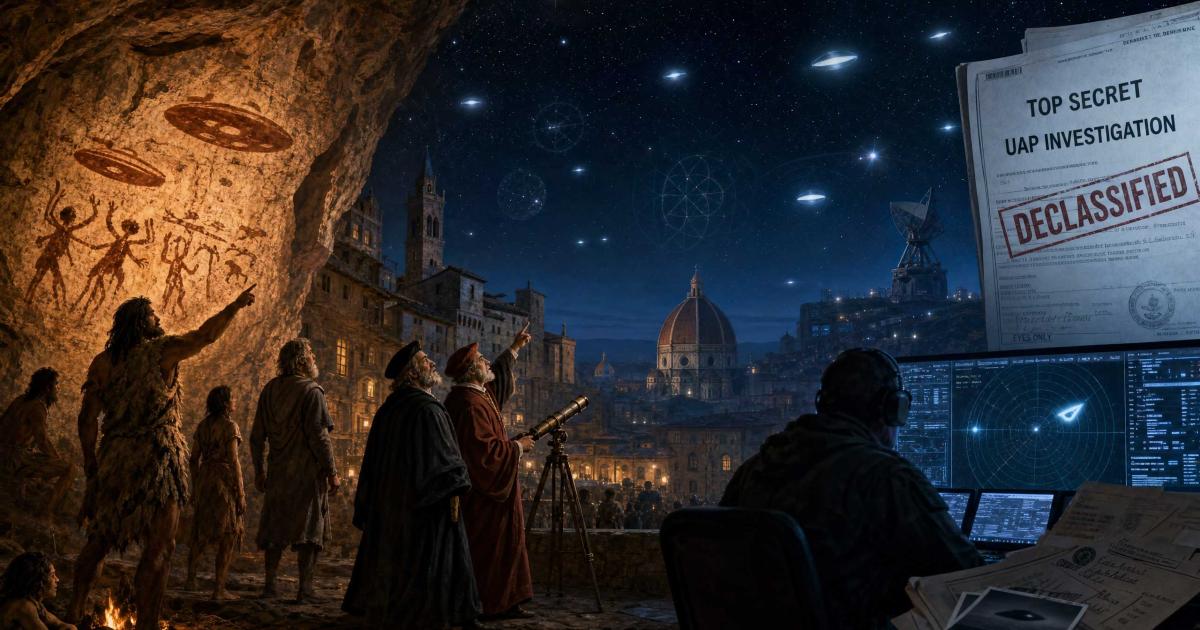

For millennia, humanity has looked to the heavens with a mixture of awe, reverence, and profound confusion. What we today call Unidentified Anomalous Phenomena (UAP) or Unidentified Flying Objects (UFOs) are not a product of post-World War II science fiction or Cold War anxieties anymore. Instead, a rigorous examination of historical records, religious texts, and classical artwork reveals a startlingly consistent narrative: humanity has been documenting encounters with unexplained aerial phenomena since the dawn of civilization.
With the historic events of May 2026, marked by the U.S. government’s unprecedented declassification of thousands of military and intelligence files, the gap between ancient mythology and modern reality is rapidly closing. This article explores the deepest roots of the UAP phenomenon, examines how ancient peoples recorded these encounters in art and text, and links these historical anomalies directly to the official government disclosure taking place today.
Ancient Texts: The "Chariots of the Gods" and "Fiery Discs"
Long before the invention of the camera, ancient civilizations used the most advanced technology at their disposal, that is written language, to record extraordinary aerial encounters. When we strip away the local cultural and religious terminology of the era, the physical descriptions of these phenomena bear a striking resemblance to modern UAP reports.
Sanskrit Epics and the Vimanas of Ancient India
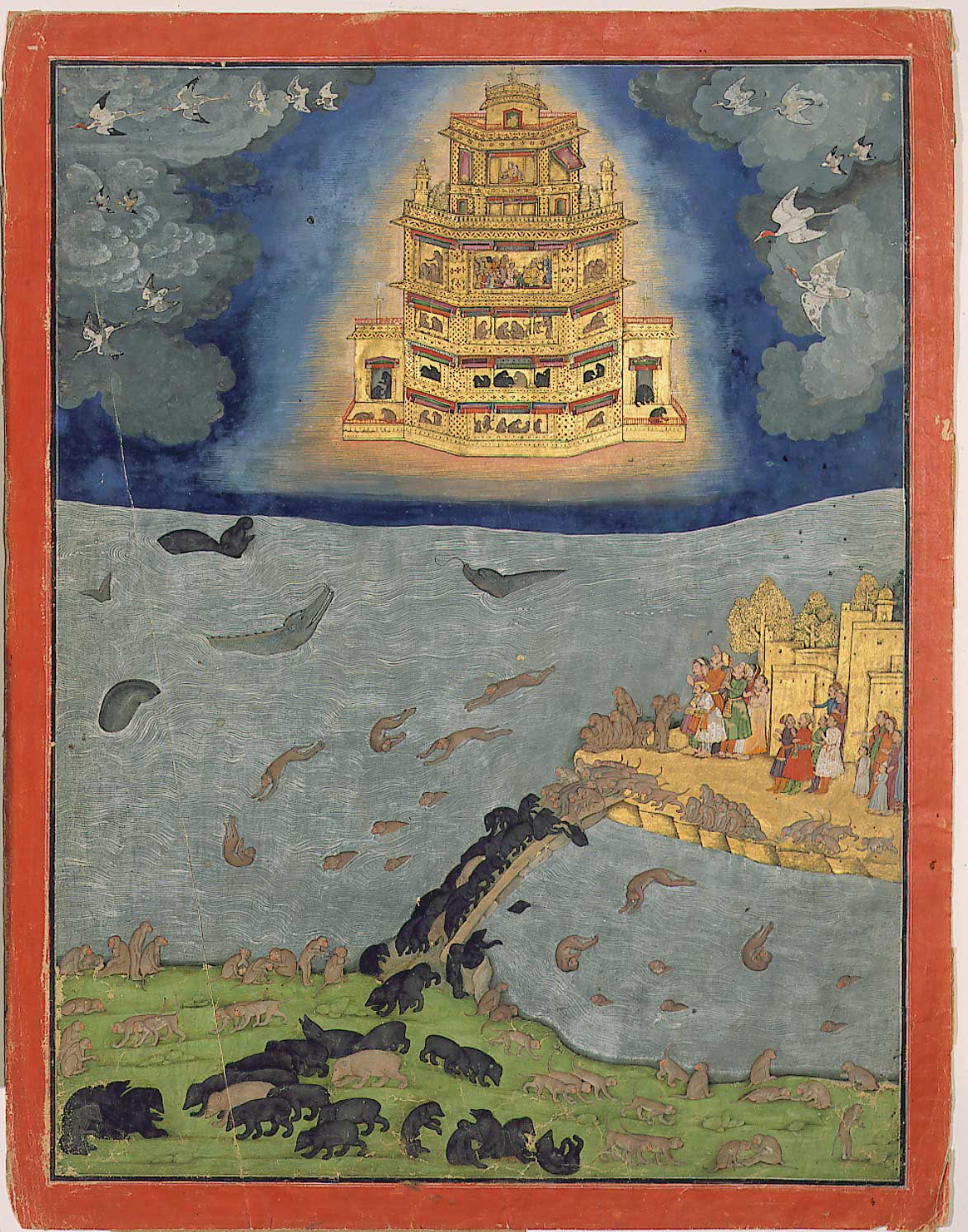
Shakuna Vimana perspective view, drawn by T.K. Ellappa, Bangalore, 1923, from the Vaimanika Shastra. Source: Wikimedia Commons
Perhaps the most detailed accounts of ancient flying craft come from the Sanskrit epics of India, particularly the Rigveda, the Mahabharata, the Ramayana, and the Samarangana Sutradhara. These texts describe aerial vehicles called Vimanas. Far from being mere poetic metaphors, the texts describe these craft with remarkable mechanical specificity.















