

Photo: Teomancimit, CC BY-SA 3.0 via Wikimedia Commons Source
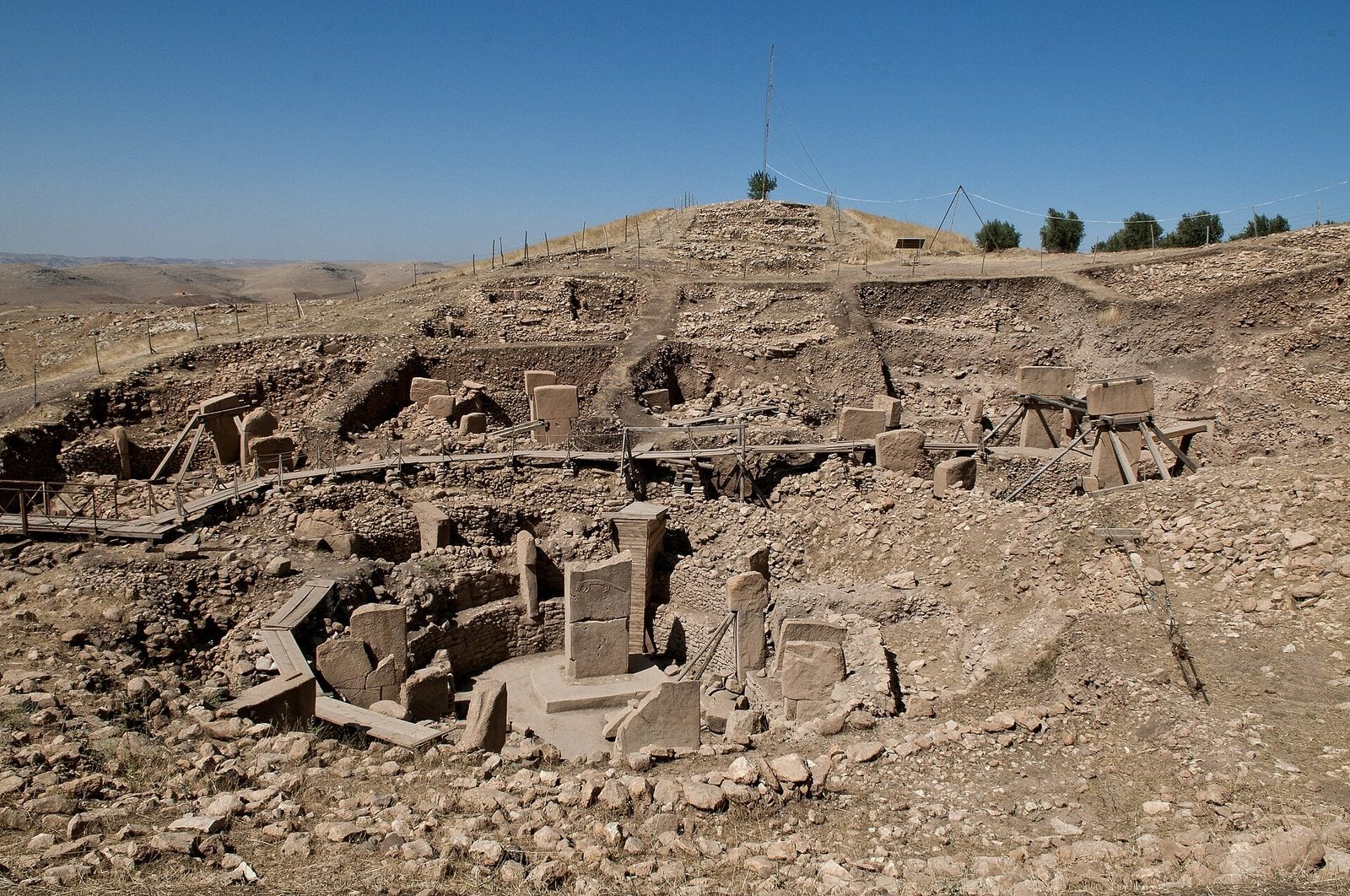
Göbekli Tepe is a hilltop site near Şanlıurfa in southeastern Turkey with round stone enclosures and carved T-shaped pillars. It dates to roughly 9600 to 8200 BC, which is Established, and was built by people who lived before farming was fully established. The popular claim that it is the world's oldest temple is Unverified in our Fact Check.
Monumental stone enclosures with carved T-shaped pillars, built by hunter-gatherers before farming took hold. It dates from the 10th millennium BC and is associated with the Neolithic. It is a UNESCO World Heritage Site.
- Country
- Turkey
- Region
- Asia
- Period
- about 9600 to 8200 BC
- Kind of site
- Tell, Neolithic settlement
- Dates from
- 10th millennium BC
- Period or culture
- Neolithic
- Heritage status
- World Heritage Site
- Located in
- Şanlıurfa Province, Turkey
- Also known as
- Potbelly Hill; Portasar
- Coordinates
- 37.2236° N, 38.9217° EWikipedia and Wikidata agree within 0.1 km
- UNESCO
- World Heritage site 1572
- Reference
- Wikidata Q214944
- Encyclopedia
- Wikipedia article
About this place
Göbekli Tepe is a Neolithic archaeological site in Upper Mesopotamia in modern-day Turkey. The settlement was inhabited from around 9500 BCE to at least 8000 BCE, during the Pre-Pottery Neolithic. It is known for its large circular structures that contain large stone pillars, among the world's oldest known megaliths. Many of these pillars are decorated with anthropomorphic details, clothing, and sculptural reliefs of wild animals, providing archaeologists with insights into prehistoric religion and the iconography of the period. The 15 m (50 ft) high, 8 ha (20-acre) tell is covered with ancient domestic structures and other small buildings, quarries, and stone-cut cisterns from the Neolithic, as well as traces of activity from later periods. The site was first used at the dawn of the southwest Asian Neolithic period, which marked the appearance of the oldest permanent human settlements anywhere in the world.
Adapted from the Wikipedia article Göbekli Tepe (this version), lightly edited for style, under the CC BY-SA 4.0 license.
Nearby places
Open in the Atlas →- Kazane Höyük 13 km (8 mi)
- Gürcütepe 13 km (8 mi)
- Edessa 15 km (9 mi)
- Sultantepe 19 km (12 mi)
- Sayburç site 29 km (18 mi)
- Çakmaktepe 30 km (19 mi)














Recent comments