

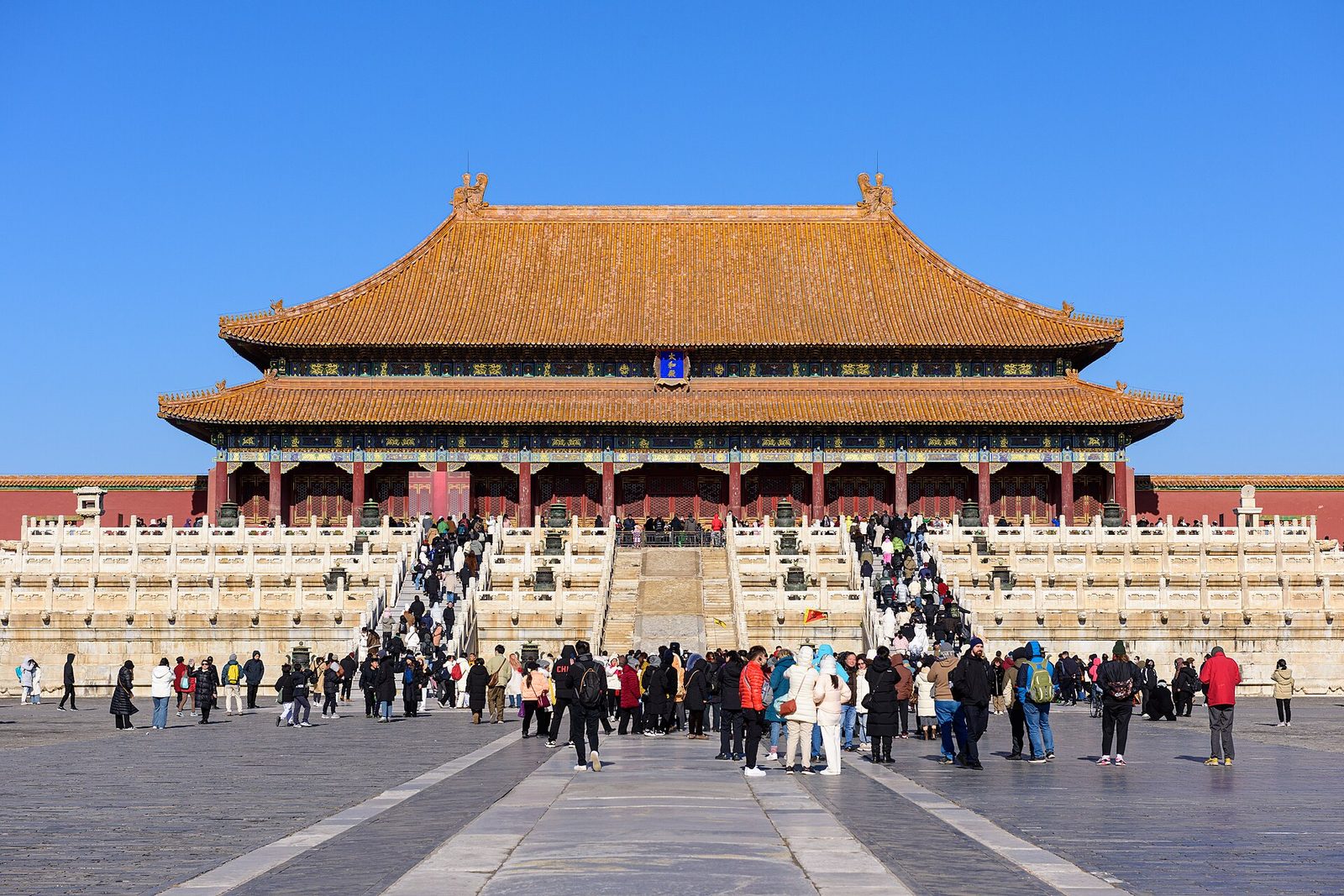
Photo: N509FZ, CC BY-SA 4.0 via Wikimedia Commons Source
The imperial palace of the Ming and Qing emperors in Beijing. It dates from 1420. It is part of a UNESCO World Heritage Site.
- Country
- China
- Region
- Asia
- Period
- AD 1406 to 1420
- Kind of site
- Palace, building complex
- Dates from
- 1420
- Heritage status
- Major Historical and Cultural Site Protected at the National Level; Part of UNESCO World Heritage Site
- Part of
- Imperial Palaces of the Ming and Qing Dynasties in Beijing and Shenyang, Imperial City
- Architect or builder
- Kuai Xiang
- Located in
- Donghuamen Subdistrict, China
- Also known as
- Zijin Cheng; Gugong; Old Palace (Beijing); Imperial Palace
- Coordinates
- 39.9158° N, 116.3910° EWikipedia and Wikidata agree within 0.0 km
- Reference
- Wikidata Q80290
- Encyclopedia
- Wikipedia article
About this place
The Forbidden City is the imperial palace complex in the center of the Imperial City in Beijing, China. It was the residence of twenty-four Ming and Qing dynasty Emperors and was the center of political power in China from 1420 to 1924. The palace is now administered by the Palace Museum and has been a UNESCO World Heritage Site since 1987. The Forbidden City is one of the most famous palaces in all of Chinese history and is the largest preserved royal palace complex still standing in the world. Bernardo Bertolucci's The Last Emperor was filmed inside the Forbidden City in 1987 (and was the first Western production to do so). The Forbidden City was constructed from 1406 to 1420 and was the imperial palace and winter residence of the Emperor of China from the Ming dynasty (since the Yongle Emperor in 1420) to the end of the Qing dynasty in 1924.
Adapted from the Wikipedia article Forbidden City (this version), lightly edited for style, under the CC BY-SA 4.0 license.
Nearby places
Open in the Atlas →- Khanbaliq 2.1 km (1.3 mi)
- Enyou Temple 12 km (7 mi)
- Zhoukoudian site 47 km (29 mi)
- Tianyuan Cave 53 km (33 mi)
- Great Wall of China 59 km (37 mi)
- Xiadu 98 km (61 mi)














Recent comments