

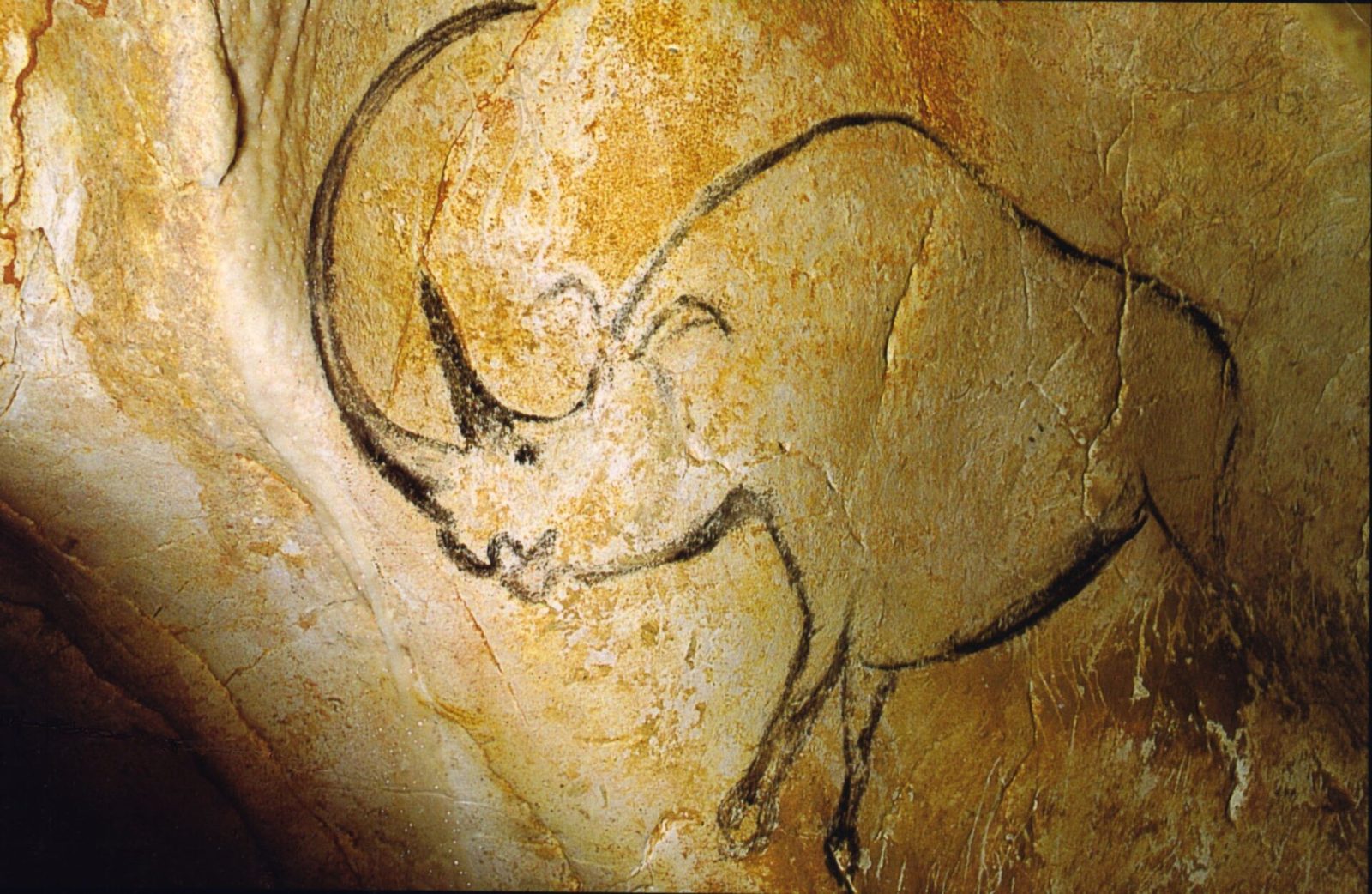
Photo: Inocybe at French Wikipedia, Public domain via Wikimedia Commons Source
A cave in the Ardeche with some of the oldest and finest known figurative cave paintings. It is associated with the Stone Age. It is a UNESCO World Heritage Site.
- Country
- France
- Region
- Europe
- Period
- about 36,000 years ago
- Kind of site
- Cave with prehistoric art, Paleolithic site
- Period or culture
- Stone Age
- Heritage status
- Classified historical monument; World Heritage Site
- Located in
- Vallon-Pont-d'Arc, France
- Coordinates
- 44.3875° N, 4.4142° EWikipedia and Wikidata agree within 0.17 km
- UNESCO
- World Heritage site 1426
- Reference
- Wikidata Q374096
- Encyclopedia
- Wikipedia article
About this place
The Chauvet-Pont-d'Arc Cave in the Ardèche department of southeastern France is a cave that contains some of the best-preserved figurative cave paintings in the world, as well as other evidence of Upper Paleolithic life. It is located near the commune of Vallon-Pont-d'Arc on a limestone cliff above the former bed of the river Ardèche, in the Gorges de l'Ardèche. Rediscovered on 18 December 1994, it is considered one of the most important prehistoric art sites, and on 22 June 2014 the UN's cultural agency UNESCO granted it World Heritage status. The cave was first explored by a group of three speleologists: Eliette Brunel-Deschamps, Christian Hillaire, and Jean-Marie Chauvet (for whom the cave was named) six months after an aperture now known as "Le Trou de Baba" ('Baba's Hole') was discovered by Michel Rosa (Baba).
Adapted from the Wikipedia article Chauvet Cave (this version), lightly edited for style, under the CC BY-SA 4.0 license.
Nearby places
Open in the Atlas →- Grotte du Déroc 0.7 km (0.5 mi)
- Chanet dolmen 5.4 km (3.4 mi)
- Baume d'Oullins 6.2 km (3.8 mi)
- Dolmens du Chanet 6.9 km (4.3 mi)
- Dolmens de Barjac 8.3 km (5.1 mi)
- Points Cave 8.4 km (5.2 mi)














Recent comments